

Blog
Whiskers and Wonders: Exploring the Fascinating World of Cat Behavior

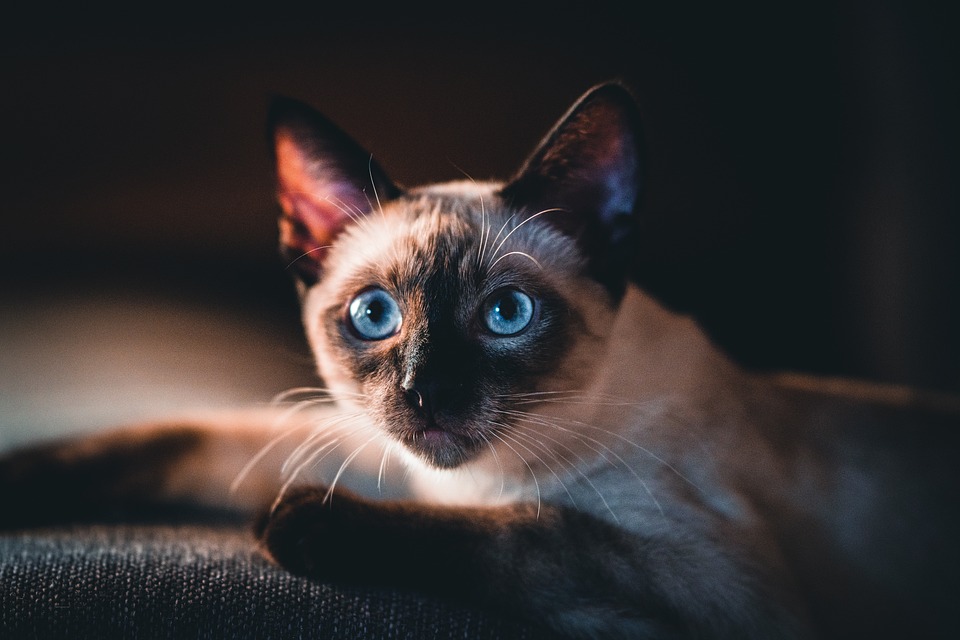
Cats are enigmatic creatures, often perceived as aloof and independent. However, those intimate moments spent with our feline friends reveal a rich tapestry of behaviors that are both intriguing and, at times, perplexing. From the way they purr to their playful antics, understanding cat behavior can deepen our bond with them and provide insights into their needs and emotions.
The Language of Purrs and Meows
One of the most recognizable sounds that cats make is the purr. Many owners associate purring with contentment, but it’s a more complex behavior. Cats purr when they are happy, but they also do so when they’re frightened or in pain, acting like a self-soothing mechanism. Research indicates that the vibrations produced from purring may promote healing in their bones and tissues, making it a fascinating survival trait.
Meowing, on the other hand, is primarily a human-directed behavior. Cats typically do not meow at other cats; they reserve this vocalization for interaction with humans. Kittens meow to their mothers, but as they grow, they develop other methods of communication with their peers through body language, scents, and physical displays. Each cat has its own unique meow that conveys different moods or desires; understanding this vocalization can make the human-feline relationship more rewarding.
The Importance of Body Language
Cats communicate a great deal through body language. For example, a cat’s tail position can tell you a lot about what they’re feeling. An upright tail usually indicates a friendly disposition, while a puffed-up tail signals fear or aggression. Additionally, slow blinking, often referred to as “cat kisses,” is a sign of trust. When a cat slowly blinks at you, it conveys that they feel secure in your presence.
Ears, too, are expressive. Forward-facing ears signify curiosity and engagement, while flat ears indicate fear or aggression. A cat’s whiskers are not just adorable; they serve practical functions, helping cats gauge their proximity to objects in their environment, which aids in navigation and hunting.
Play and Social Interaction
Play is a fundamental aspect of a cat’s life, serving not just as entertainment but as practice for hunting skills. Kittens learn to stalk, chase, and pounce through play; these behaviors are vital for their development. Adult cats continue to engage in play as a means of exercise, stimulation, and social bonding.
Interactive play with their human companions fosters trust and affection. Toys that mimic prey, such as fishing poles or laser pointers, engage a cat’s hunting instincts. It’s essential to provide variety in playtime to keep your cat mentally and physically stimulated.
Grooming: More Than Just Hygiene
Cats are meticulous groomers. Grooming serves to keep their fur clean, but it also plays a significant role in social bonding. When cats groom each other, it strengthens their social relationships. Additionally, grooming can reduce stress; a cat that grooms itself or receives grooming from a trusted human may feel more secure.
In multi-cat households, you may observe grooming rituals, which can signify acceptance and nurturing. Conversely, excessive grooming may indicate anxiety or health issues, making it essential to monitor your cat’s grooming habits.
Curiosity and Environment
Cats are naturally curious beings. Their exploratory nature often leads them into unusual situations, whether investigating a new box or climbing to high perches. Providing a rich environment that includes climbing structures, scratching posts, and interactive toys encourages healthy exploration.
Creating a stimulating environment is crucial for indoor cats, who may lack natural hunting opportunities. Window perches can provide them with a view of the outside world, satisfying their curiosity by observing birds and other wildlife.
FAQs
Q: Why do cats knead?
A: Kneading is an instinctive behavior that originates from kittenhood, where they knead their mother’s belly to stimulate milk flow. Adult cats may knead as a way of marking territory with scent glands in their paws and to show comfort and contentment.
Q: Why does my cat bring me “gifts”?
A: Cats are natural hunters, and bringing you prey, be it a toy or a real catch, is their way of showing affection and sharing their success with their human companions.
Q: Is my cat happy if they follow me around?
A: Yes, following you is often a sign of affection and attachment. Cats may follow their humans due to curiosity, companionship, or a desire for food and attention.
Q: What does it mean if my cat suddenly hides?
A: Hiding can be a sign of stress or illness. If your cat is hiding more than usual or exhibits other concerning behaviors, it’s essential to consult a veterinarian.
Understanding cat behavior opens the door to deeper connections and greater appreciation for these small, mysterious beings. By observing and interpreting their actions, we can better cater to their needs and ensure that our furry companions lead happy, fulfilling lives.