

Blog
Understanding Your Cat: Tips for Better Communication

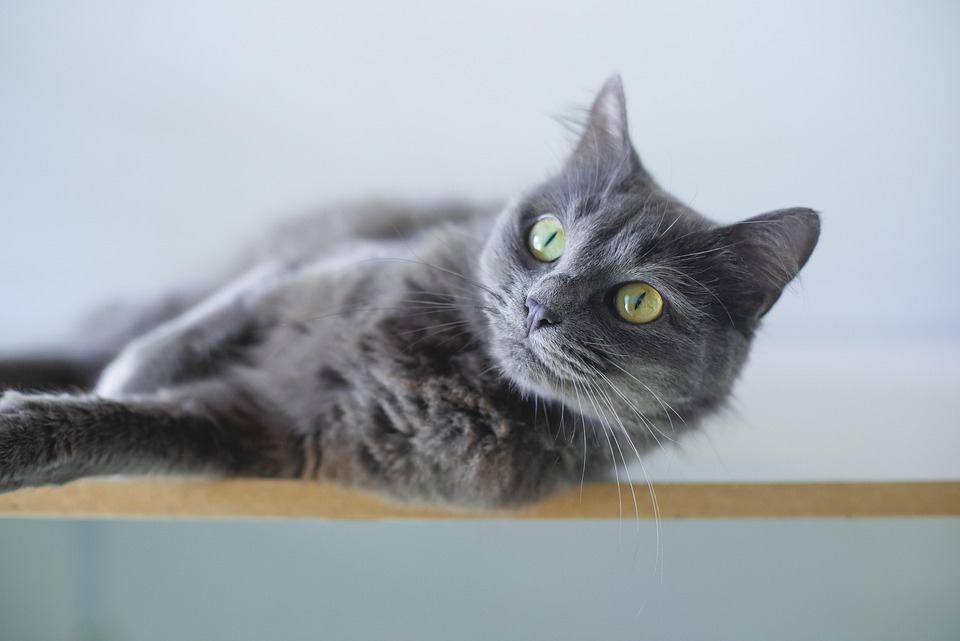
Cats have long been revered as mysterious and enigmatic companions. Their behaviors can sometimes leave us scratching our heads, and their quiet, independent nature might lead to misunderstandings. However, understanding your cat’s communication methods can bridge the gap between you and your feline friend, creating a stronger bond. Here’s a guide to decoding your cat’s body language and vocalizations, along with tips for better communication.
Body Language: The Silent Communicator
Tail Position: A cat’s tail is one of the clearest indicators of its mood. A high, twitching tail indicates excitement and happiness, while a lowered or tucked tail signifies fear or submission. If your cat’s tail is puffed up, it’s likely scared or agitated. Understanding these signals can help you assess how your cat feels and respond appropriately.
Ears: A cat’s ears are highly expressive. Forward-facing ears usually mean that your cat is curious or relaxed. Conversely, flattened ears indicate irritation or anxiety. Pay attention to these cues to gauge your cat’s comfort level in different situations.
Eyes: Cats communicate via eye contact, too. Slow blinking is often a sign of affection and trust. If your cat looks at you and blinks slowly, try reciprocating this gesture to strengthen your bond. Dilated pupils can indicate either excitement or fear, so noticing the context is key.
Whiskers: Cats’ whiskers detect their surroundings and communicate their mood. Whiskers pulled back indicate fear, while whiskers pointing forward may signify curiosity or aggression.
Vocalizations: The Soundtrack of Their Emotions
Meowing: Cats primarily meow to communicate with humans, as adult cats rarely do so with one another. The tone and pitch of a meow can reveal a cat’s mood. A short, high-pitched meow often indicates a greeting, while a low, drawn-out meow may signal annoyance or distress.
Purring: While purring often signifies contentment, it can also be a self-soothing mechanism when a cat is in pain or stressed. If your cat is purring but exhibiting signs of discomfort, it may need attention.
Hissing or Growling: These sounds indicate fear or aggression and should not be taken lightly. If your cat is hissing or growling, it’s best to give it some space and let it calm down.
Chirps and Chatter: These peculiar sounds usually happen when a cat is watching birds or small rodents. It suggests excitement and a strong hunting instinct.
Engaging with Your Cat
Create a Routine: Cats thrive on predictability. Regular feeding times and playtimes can help reduce anxiety and improve your cat’s mood.
Use Interactive Play: Engage your cat with toys that mimic hunting behavior, such as feather wands or laser pointers. This not only provides physical exercise but also strengthens your relationship through interactive play.
Respect Personal Space: Cats are independent animals who value their personal space. If your cat retreats or shows signs of irritation, give it the time it needs.
Positive Reinforcement: Rewarding your cat with treats or affection when it displays desired behaviors can strengthen your communication and create a more harmonious environment.
Talk to Your Cat: Engaging in soft, calm vocalizations can make your cat feel more secure. Use the same tone consistently; it helps build familiarity and trust.
Conclusion
Understanding your cat’s language—both verbal and non-verbal—can transform your relationship from one of confusion to a deep, meaningful connection. By recognizing and responding to their cues, you create a safe, nurturing environment where your cat can thrive.
FAQs
Q1: How can I tell if my cat is sick?
A: Look for changes in behavior, appetite, activity level, and litter box habits. If you notice any unusual symptoms, consult your veterinarian.
Q2: Why does my cat follow me around?
A: Your cat may be seeking companionship, wanting attention, or simply enjoying your company.
Q3: What should I do if my cat is hissing?
A: Provide space and avoid approaching the cat until it calms down. Assess the situation to identify potential stressors.
Q4: Can I train my cat like a dog?
A: Cats can be trained using positive reinforcement, though methods may differ from those used for dogs. Consult resources tailored to cat training for best results.
Q5: How important is playtime for my cat?
A: Very important! Playtime helps with physical health and mental stimulation, and strengthens your bond with your cat. Aim for at least 15 minutes of interactive play daily.