

Blog
Through Their Eyes: What Your Cat’s Gaze Really Means

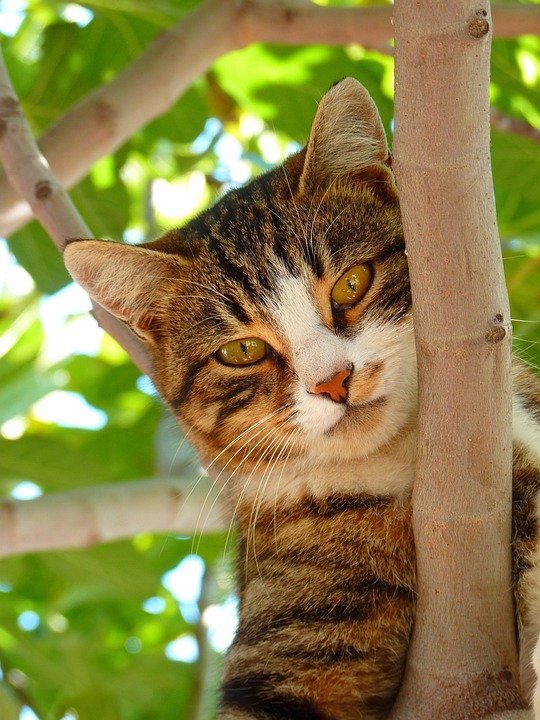
Cats are enigmatic creatures, captivating millions of people worldwide with their independent spirits and playful antics. However, one of the most intriguing aspects of a cat’s behavior is its gaze. A cat’s eyes can convey a wealth of information, from affection and trust to uncertainty and aggression. Understanding what your cat’s gaze really means can strengthen your bond and improve overall communication.
The Anatomy of a Cat’s Eye
First, it is essential to understand that cats have unique anatomical features that contribute to their vision. Their large, forward-facing eyes are adapted for night hunting, allowing them to see well in low light. The shape and position of their eyes also play a role in their social interactions. A cat’s pupil can dilate and constrict rapidly, offering clues about their emotional state.
Types of Gazes and What They Mean
Slow Blinks: A cat that slowly blinks at you is demonstrating affection and trust. This behavior mimics how they show vulnerability to other cats. You can return the gesture by slowly blinking back. It’s a non-verbal way to communicate love and reassurance.
Direct Staring: If your cat is staring directly at you, it might be assessing the situation or demanding attention. While cats may stare at their humans out of curiosity or a desire for play, prolonged eye contact can be a sign of dominance or aggression, especially in the wild. If your cat’s body language shows signs of tension, it’s best to give them space.
Squinting: Cats often squint when they are relaxed and comfortable in their environment. This behavior can also indicate that their vision is slightly impaired or that they’re experiencing eye irritation. If squinting persists and is accompanied by other symptoms, a visit to the vet is recommended.
Dilated Pupils: Pupil dilation can indicate various emotions. If your cat’s pupils are dilated, it could signify excitement, fear, or aggression. A sudden dilation during playtime might just mean they’re having a great time, whereas dilated pupils in a tense situation could indicate fear or anxiety.
Looking Away: When a cat looks away from you or averts its gaze, it’s a sign of submission or that they’re feeling overwhelmed. This behavior signals they wish to avoid confrontation, as staring directly can be perceived as a threat.
Gaze Length: The duration of a cat’s stare can also be significant. A quick glance suggests curiosity, while a lingering gaze may signal affection or possessiveness over a resource, such as food or a favored resting spot.
Building a Connection Through Eye Contact
Understanding these gazing behaviors allows you to respond appropriately to your cat’s emotional needs. If your cat is maintaining eye contact and looking away occasionally, it might be signaling you to engage or reassess the situation. Conversely, if your cat appears to be staring intently, it’s crucial to observe their overall body language to gauge their mood and react accordingly.
Conclusion
A cat’s gaze is not merely a passive observation; it is an active form of communication rooted in their evolutionary instincts. By paying close attention to your cat’s eyes, you can better understand their feelings, creating a more harmonious relationship.
FAQs
Q: Why does my cat stare at me while I eat?
A: Your cat may be curious about your food or hoping for a treat. It can also be a way of seeking attention or asserting their presence.
Q: Is it normal for cats to squint?
A: Yes, squinting is typically a sign of comfort. However, if squinting persists or is accompanied by redness or watery eyes, consult a veterinarian.
Q: Do cats understand human eye contact?
A: Cats may not interpret human eye contact the same way we do. They often view prolonged eye contact as threatening unless it’s accompanied by slow blinking or other non-aggressive behaviors.
Q: Can a cat’s gaze indicate stress?
A: Yes, a cat may display signs of stress through their eyes. Dilated pupils and a direct stare can suggest anxiety or fear, particularly in unfamiliar situations.
Q: How can I tell if my cat is happy?
A: A happy cat often exhibits relaxed body language, slow blinks, and a soft gaze. Purring and kneading are also positive signs of contentment.