

Blog
The Secret Life of Cat Eyes: Insights from Veterinarians on Feline Eye Health

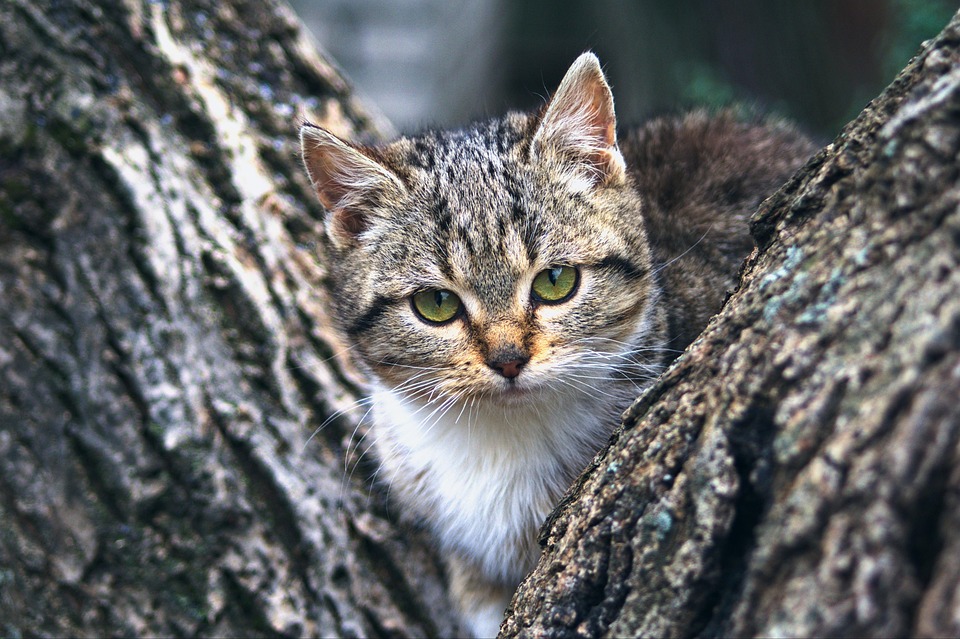
When it comes to our feline companions, their eyes can be some of the most captivating features. With their striking colors and unique shapes, cat eyes can seem almost mystical. However, beyond their beauty lies a complex world of health that pet owners should be aware of. In this article, we dive into the secret life of cat eyes and what veterinarians want you to know about maintaining feline eye health.
Understanding Cat Eyes
Cats have distinctive eyes that differ significantly from ours. They possess a vertical slit pupil, which allows for enhanced control over the amount of light entering the eye. This ability is vital for hunters, as it helps them adapt to varying light conditions, particularly at dawn and dusk—times when they are naturally more active.
As nocturnal creatures, cats rely heavily on their vision. They have a high number of rod cells in their retinas, which allows them to see well in low-light environments. This design makes their eyes not only beautiful but also functional, filled with evolutionary adaptations intended to enhance their predatory abilities.
Common Eye Health Issues in Cats
Conjunctivitis: This is the inflammation of the conjunctiva, the membrane covering the eye. Symptoms include redness, swelling, and discharge. It’s commonly caused by infections, allergens, or foreign bodies.
Cataracts: Although less common than in dogs, cats can develop cataracts, which result in cloudiness of the eye. These can affect vision and may require surgical intervention.
Corneal Ulcers: Injuries to the cornea can lead to painful ulcers that, if left untreated, can result in serious complications, including blindness.
Retinal Diseases: Conditions such as retinal degeneration can lead to vision loss, often due to genetic factors or other underlying health issues.
Uveitis: This inflammation of the uvea can be associated with systemic diseases or infections. It can be painful and requires immediate medical attention.
Signs of Eye Problems
As a cat owner, it’s vital to be vigilant about any changes in your cat’s eyes. Here are several signs that may indicate a problem:
- Excessive tearing or discharge
- Squinting or keeping one eye closed
- Redness or swelling of the eyelids
- Cloudiness or discoloration in the eye
- Changes in behavior, such as bumping into objects
If you notice any of these signs, it’s crucial to consult a veterinarian promptly.
Promoting Eye Health
Maintaining your cat’s eye health involves regular check-ups and good hygiene. Here are a few practical tips:
Regular Vet Visits: Routine veterinary check-ups can help detect problems early. Most vets will examine your cat’s eyes as part of a routine health evaluation.
Clean Eyes: If your cat has discharge, use a damp, soft cloth to gently wipe away any buildup around the eyes. This can help prevent irritation and infection.
Healthy Diet: A balanced diet rich in nutrients supports overall health, including eye health. Omega-3 fatty acids, for instance, can benefit retinal function and reduce the risk of eye diseases.
Environment Awareness: Keep your home safe and free from toxic plants or chemicals that could harm your cat, including specific cleaners and certain foods.
Conclusion
Cat eyes are not just beautiful; they are a window into your pet’s health. By staying informed about feline eye health and recognizing potential issues early, you can ensure that your companion will continue to see the world with clarity and joy. Your veterinarian can offer tailored advice based on your cat’s age, breed, and overall health, helping to maintain those mesmerizing gazes.
FAQs
1. How often should I take my cat for eye check-ups?
- Regular vet visits are recommended at least once a year. For senior cats or those with existing eye conditions, more frequent check-ups may be necessary.
2. Can I use eye drops meant for humans on my cat?
- No, you should never use human eye drops on your cat without consulting a veterinarian, as they could contain harmful ingredients.
3. What can I do if my cat has eye discharge?
- Gently clean the eyes with a damp cloth. If the discharge persists or is accompanied by other symptoms, consult your veterinarian.
4. Are certain breeds more prone to eye problems?
- Yes, breeds with flat faces, like Persians and Himalayans, are often more susceptible to eye issues due to their unique anatomy.
5. What should I do if I notice my cat squinting?
- Squinting can indicate discomfort or pain. Schedule a veterinary appointment to determine the underlying cause.