

Blog
The Science of Purring: Why Cats Purr and What It Means

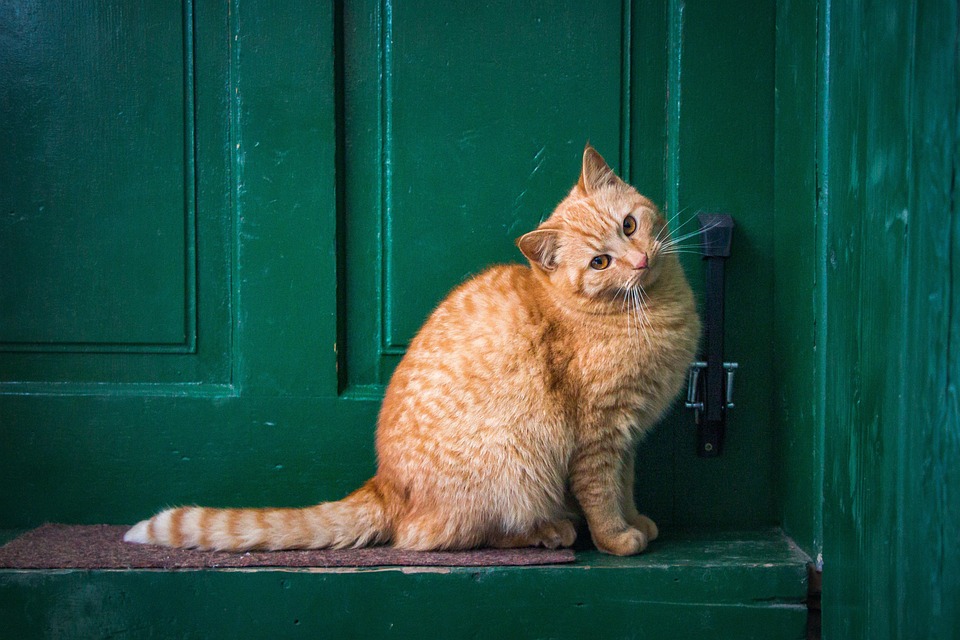
Purring is one of the most distinctive and endearing sounds made by cats, captivating feline enthusiasts and casual observers alike. While it may seem like a simple expression of contentment or communication, the science of purring reveals a complex interplay of biological functions, emotional states, and even therapeutic effects.
What Is Purring?
Purring is a sound usually produced by domesticated cats, although some wild cats, such as cheetahs and bobcats, also purr. The sound is characterized by a continuous, low-frequency rumble, which typically falls between 25 and 150 Hertz. This frequency is significant; research suggests that it can have a healing effect on tissues and bones, promoting growth and recovery.
The Mechanics of Purring
Understanding the mechanics of purring involves looking at a cat’s anatomy. The sound is generated by the rapid contraction and relaxation of the muscles within the larynx, or voice box. This muscle movement causes a quick closing and opening of the vocal cords, resulting in the characteristic purring sound. The brain sends signals to the laryngeal muscles, enabling the cat to control its purring even while inhaling and exhaling.
Interestingly, cats can purr not just when they are exhaling, but also while they are inhaling. This unique ability allows them to create a continuous sound that can soothe not only themselves but also those around them.
Why Do Cats Purr?
1. Expression of Contentment
One of the more common reasons for purring is simply to express happiness and contentment. When a cat is relaxed, curled up with its owner, or being petted, purring is often a vocalization of pleasure and affection.
2. Communication
Cats also use purring as a form of communication, both with humans and other cats. Kittens begin purring at just a few days old, signaling to their mothers that they are comfortable and safe. Mother cats often purr in return, creating a bond and fostering a sense of security within the litter.
3. Stress Relief and Self-Soothing
Purring can serve as a mechanism for self-soothing. Cats often purr when they are feeling anxious, ill, or in pain. Much like humans might hum or engage in deep breathing to alleviate stress, cats use purring to calm themselves. Observations have shown that injured cats will often purr, suggesting a potential evolutionary advantage for promoting healing.
4. Healing Properties
Curiously, studies have indicated that the frequencies produced during purring may help to heal bones and tissues. Cats have been known to heal from injuries or surgeries remarkably quickly, and scientists speculate that the low-frequency vibrations generated during purring could encourage healing processes.
The Role of Purring in Cat Behavior
Understanding the context in which a cat purrs can provide deeper insights into its emotional state. Some cats may purr when they are preparing to be fed, while others may purr during stressful situations, such as trips to the vet. Being attuned to these behaviors can help cat owners better understand their pets’ needs and emotions, fostering stronger bonds.
FAQs About Cat Purring
1. Do all cats purr?
Not all cats purr, but most domesticated cats do. Wild felines, such as cheetahs, bobcats, and even some species of big cats, can purr. However, true roaring cats (like lions and tigers) do not produce purring sounds.
2. Is purring harmful to cats?
No, purring is a natural behavior and is generally not harmful. However, if you notice excessive purring coupled with signs of distress or injury, it may be worth consulting a veterinarian.
3. Can cats purr while they are injured?
Yes, cats have been observed to purr when they are injured or in pain. This might be a self-soothing mechanism that can serve both emotional and physiological functions.
4. Besides contentment, what else may cause a cat to purr?
Cats may purr when they are in pain, anxious, or trying to communicate with their owners or other animals. Always consider the context of the purring behavior.
5. Can I encourage my cat to purr?
You can often encourage purring by providing a calm and comfortable environment. Gentle petting, playtime, and creating a safe space can help foster the conditions that lead to contentment—and, thus, purring.
In conclusion, purring is a multifaceted behavior rooted in biology, emotion, and communication. Understanding the science of purring not only deepens our appreciation for these creatures but also helps forge stronger connections with them.