

Blog
The Science of Cat Names: What Your Choice Says About You

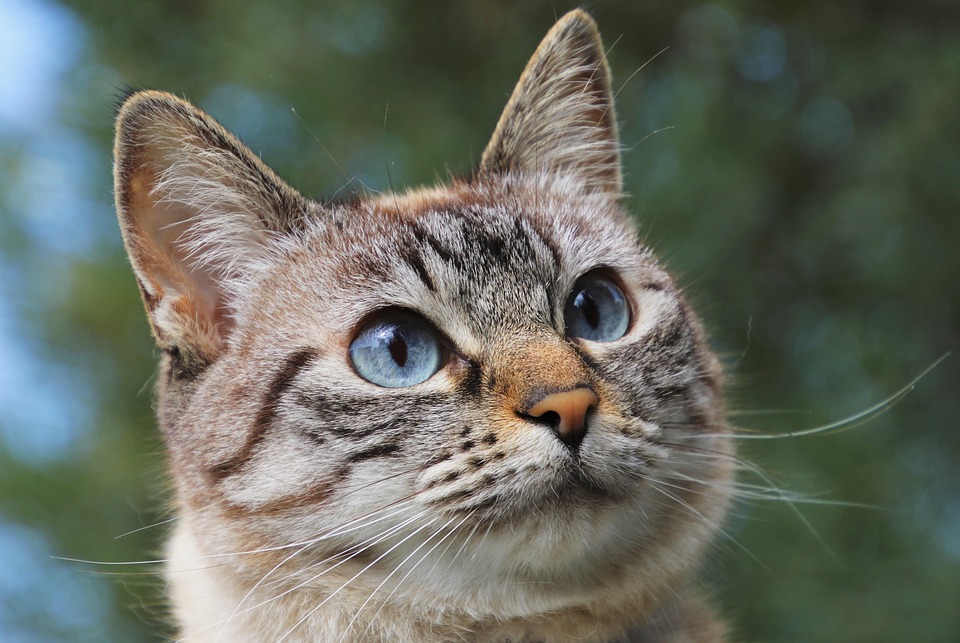
Choosing a name for your cat is a delightful yet often challenging endeavor. While some pet owners opt for names that reflect their feline’s personality or appearance, others might choose names based on their own interests or experiences. But what does your cat’s name really say about you? Delving into the psychology of pet naming can provide insight into your personality, preferences, and even values.
The Connection Between Names and Personalities
Research shows that names can reveal a lot about the giver’s personality. In the realm of pet naming, certain patterns emerge that reflect broader social dynamics and individual traits. For instance, people who choose names reflective of pop culture influences—like “Gandalf” for a wise old feline or “Bella” for a cute, small kitten—often demonstrate a creative inclination and a connection to popular media. This suggests that such individuals not only value a shared cultural lexicon but also enjoy forming bonds with their pets through recognizable narratives.
On the flip side, more traditional names like “Fluffy” or “Mittens” indicate an individual who is more practical and perhaps values classic norms over modern trends. These names evoke a sense of nostalgia and whimsy, pointing to a personality that finds comfort in familiarity.
Personality Traits Reflected in Names
Experts suggest that the psychological attributes of the person giving the name can correlate significantly with the chosen name. Here are some categories of names and what they might signal about you:
Descriptive Names: If you pick a name that describes your cat’s appearance or behavior—like “Stripe” for a tabby or “Nibbles” for a playful kitten—it might reflect your observant nature. Such names indicate that you appreciate the little details in your environment and possibly the same in your relationships with others.
Literary and Historical References: Choosing names inspired by literature or history, such as “Hemingway” for a sophisticated cat or “Cleopatra” for a regal feline, shows a love for knowledge and a certain depth of character. It may also imply a desire to imbue your pet with traits you admire or aspire to.
Food Names: Names like “Pickles” or “Muffin” can reflect a light-hearted personality. They often indicate a playful side, demonstrating the owner’s willingness to embrace silliness and joy in daily life.
Unique or Quirky Names: If you lean toward unusual names like “Sir Fluffington” or “Meowzart,” it might signify that you have a creative and adventurous spirit. You may desire to stand out in social situations, showcasing your unique perspective on life.
Cultural Influences in Pet Naming
Cultural background can also play a significant role in the naming process. In some cultures, pets are often given names that reflect specific traits or qualities valued within that tradition. For instance, in some Asian cultures, names related to auspicious meanings may be common. This reflects not only the cultural values of the owner but also societal expectations of what traits animals should embody.
Naming Trends Over Time
The names we choose for our pets often evolve, closely aligning with broader societal trends. Popular trends such as environmentalism have led to an increase in nature-based names like “Clover” or “River.” As society places more emphasis on sustainability and mindfulness, it is likely that we will continue to see this pattern emerge in naming conventions.
Conclusion
The process of naming our feline companions can be a profound reflection of who we are. Every time we call our cat, we’re not just addressing them; we’re reinforcing our own personalities, values, and cultural backgrounds. Whether you choose a whimsical name or one that conveys sophistication, it’s a window into your own identity.
FAQs
Q: Should I choose a name based on my cat’s breed?
A: While many opt for names that reflect breed characteristics, the most important factor is that the name resonates with you emotionally.
Q: Can naming my cat a quirky name influence their behavior?
A: While a name won’t change a cat’s inherent traits, a quirky or fun name might affect your interaction, fostering a playful relationship.
Q: Are there any names I should avoid?
A: It’s best to avoid names that sound too similar to common commands, as this may confuse your cat during training.
Q: How can I come up with a creative name for my cat?
A: Consider your interests or hobbies, cultural references, and even inside jokes. The more personal the name, the more meaningful it will be.
Q: Do cat names reflect gender?
A: Traditionally, many names are gendered, but increasingly, gender-neutral names are becoming popular as perceptions of gender evolve.