

Blog
“The Purrfect Plate: A Guide to Choosing the Best Cat Food”

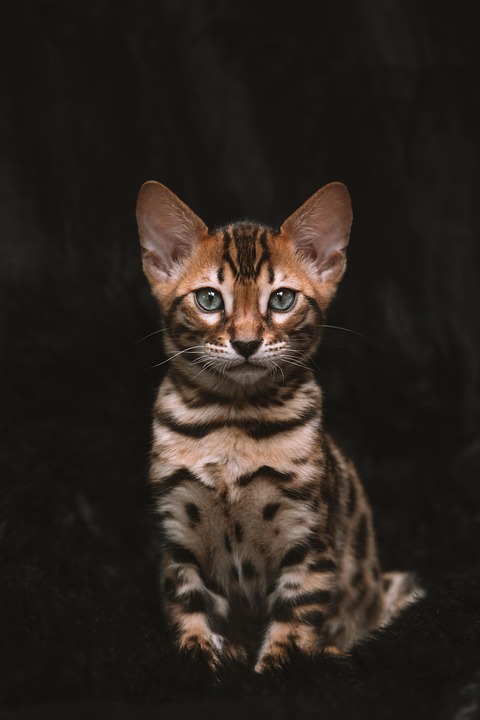
When it comes to our feline companions, one of the most critical aspects of their well-being is their diet. Cats are obligate carnivores, meaning their bodies are designed to thrive on a diet rich in animal proteins. However, with the multitude of cat food choices available today—ranging from dry kibble to wet food, and specialized diets—it can be overwhelming to determine what’s best for your furry friend. In this guide, we will explore how to choose the most suitable food for your cat while addressing common questions from pet owners.
Understanding Your Cat’s Nutritional Needs
Cats require a balanced diet that includes proteins, fats, carbohydrates, vitamins, and minerals. Here are some key points to consider when selecting cat food:
Protein: The cornerstone of a cat’s diet, proteins from high-quality animal sources should be the first ingredient. Look for meat, poultry, or fish listed as the primary protein source.
Fats: Healthy fats, such as omega-3 and omega-6 fatty acids, are essential for a cat’s skin and coat health. They also provide energy and support cell function.
Carbohydrates: While cats don’t require carbohydrates as a major part of their diet, some carbohydrates can provide energy. Opt for cat foods that include digestible sources like brown rice or sweet potatoes in moderation.
Vitamins and Minerals: Make sure the chosen food meets the standards set by the Association of American Feed Control Officials (AAFCO), which ensures the food is nutritionally complete.
Water: Cats naturally have low thirst drives and often get their moisture from food. Wet food can help keep your cat hydrated, particularly if they don’t drink enough water.
Types of Cat Food
When choosing cat food, you’ll encounter several types:
Dry Food (Kibble): Convenient and tends to be more economical. However, it has a lower moisture content, which can lead to urinary issues if your cat doesn’t drink enough water.
Wet Food (Canned): Higher moisture content, which may be beneficial for hydration. Wet food can also be more palatable for picky eaters.
Raw Diet: Some pet owners choose to feed their cats a raw diet. Keep in mind that this comes with risks concerning bacterial contamination and nutritional balance, so consult with a vet first.
Specialized Diets: Cats with specific health conditions may require specialized diets, such as grain-free, dental health, or weight management formulas. Always consult with your veterinarian if your cat has special dietary needs.
Considerations for Choosing Cat Food
Age: Kittens, adult cats, and senior cats have different nutritional needs. Ensure that you select food formulated for your cat’s specific life stage.
Health Issues: If your cat has health concerns such as food allergies, obesity, or kidney problems, a specialized diet may be necessary. Consult with your veterinarian for tailored recommendations.
Brand Reputation: Look for established brands with a history of producing high-quality pet food. Checking reviews and recall history can give insight into the brand’s reliability.
Flavor and Texture: Cats can be finicky eaters. You may need to experiment with flavors and textures to find what your cat enjoys best.
Cost: While premium cat foods may be more expensive, they often use higher-quality ingredients. Consider your budget while ensuring you choose a nutritious option for your cat.
Conclusion
Finding the right cat food can be a journey, but the importance of selecting a balanced and nutritious diet cannot be overstated for your cat’s health and happiness. Consider their age, health, and preferences while consulting with your veterinarian for personalized advice. Remember, the right food can contribute significantly to your feline friend’s quality of life.
FAQs
1. Can I feed my cat human food?
In moderation, certain human foods can be safe for cats, such as cooked meats, some vegetables, and certain fruits. However, many human foods are unsafe for cats, so consult your vet before sharing.
2. How much food should I feed my cat?
The amount of food depends on your cat’s age, weight, and activity level. Always refer to the feeding guidelines on the cat food packaging and consult your veterinarian for personalized advice.
3. Is grain-free cat food necessary?
Many cats can digest grains without issues. Grain-free diets may be necessary for cats with specific allergies but are not required for all cats.
4. How often should I change my cat’s food?
If you need to switch your cat’s diet, do so gradually over a week to prevent digestive upset. Regularly reassess your cat’s diet based on their health and lifestyle changes.
By being informed and attentive to your cat’s needs, you can create the purrfect plate for their health and wellbeing!