

Blog
The Feline Framework: A Deep Dive into Cat Skeletal Structure

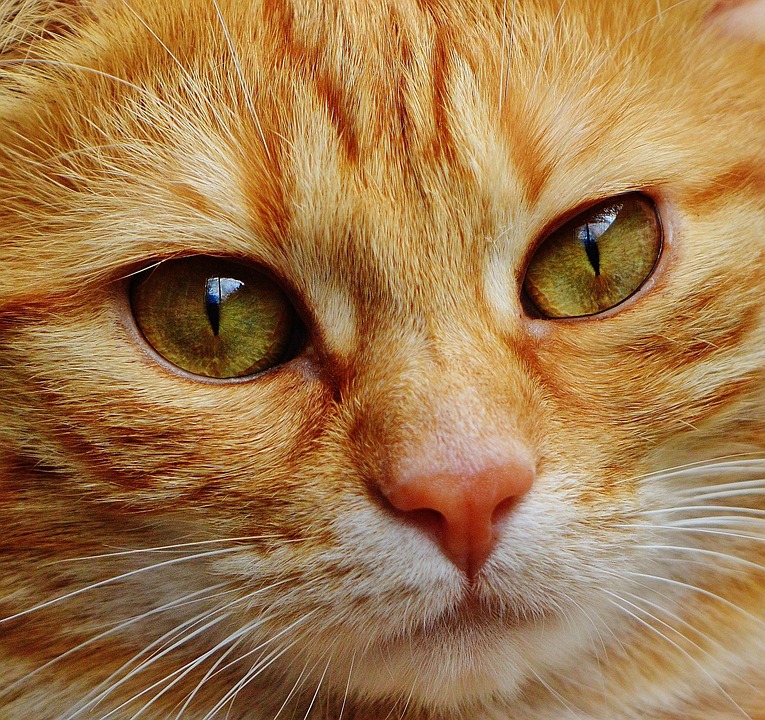
Cats, often revered for their graceful movements and agile physiques, possess a skeletal structure uniquely designed for their predatory lifestyle. Understanding the anatomy of a cat is not only fascinating but also offers insights into their behavior, health, and evolution as a species. This article explores the intricate details of cat skeletal structure and how it contributes to their physical abilities.
Overview of the Cat Skeleton
A domestic cat has 230 to 250 bones in its body, depending on factors like tail length and variations in individual breeds. The cat skeleton can be divided into two major parts: the axial skeleton and the appendicular skeleton.
Axial Skeleton
The axial skeleton consists of the skull, vertebral column, ribs, and sternum.
Skull: Cats have a lightweight skull that houses a complex structure of bones. Their cranial bones protect the brain while facial bones accommodate large eyes and a strong jaw for capturing prey. The mandible (lower jaw) is notable for its flexibility, which aids in movements related to hunting and grooming.
Vertebral Column: A cat’s spine is remarkably flexible. It consists of 30 vertebrae divided into cervical, thoracic, lumbar, sacral, and caudal regions. The cervical vertebrae allow for a wide range of head movement, crucial for hunting. The long tail, comprised of numerous caudal vertebrae, helps in balance and agility, especially during quick turns or jumps.
Ribs and Sternum: Cats have 13 pairs of ribs that protect the thoracic cavity and facilitate breathing. Their flexible ribcage allows for deep inhalation and a great range of movement, essential for sprinting and climbing.
Appendicular Skeleton
The appendicular skeleton includes the limbs and girdles that connect them to the axial skeleton.
Forelimbs: Each front leg has the same basic arrangement of bones as a human arm, but they are adapted for running and climbing. Cats have a shoulder girdle that allows for significant range of motion while minimizing weight, providing enhanced agility. The prominent claws can retract to protect them when not in use and will extend for traction and capturing prey.
Hindlimbs: The hind legs are robust and longer relative to the forelimbs, which facilitates powerful leaps. The pelvis, which connects these limbs to the spine, is broad and angled, giving cats their distinctive hindquarters and enabling them to execute agile movements.
Unique Features of Feline Skeletons
Flexible Spine: Cats have an extraordinary range of flexibility due to their intervertebral discs, which provide cushioning and allow for twisting motions when pursuing prey.
Clavicle: Unlike humans, cats possess a floating clavicle. This anatomical adaptation enables enhanced shoulder mobility, beneficial for climbing and squeezing through tight spaces.
Paw Structure: Each paw is designed for various functions. The pads provide traction, while the sharp retractable claws ensure an optimal grip while climbing or hunting.
Size Variability: Breeds like the Maine Coon have larger bone structures, while others like the Siamese have more delicate skeletons. This diversity contributes to their adaptability in various environments.
Health Implications
Understanding the cat skeleton is crucial for pet owners and veterinarians alike. Conditions like arthritis, hip dysplasia, or fractures can significantly impact a cat’s quality of life. Regular veterinary check-ups, weight management, and appropriate exercises can help maintain skeletal health and mobility.
Conclusion
The intricate design of a cat’s skeletal structure plays a vital role in its abilities as a predator and companion. Their agility, strength, and grace are all attributed to the evolutionary adaptations present in their anatomy. Whether you’re a cat parent, veterinarian, or merely a feline enthusiast, appreciating the unique features of their skeleton is essential for understanding and caring for these remarkable animals.
FAQs
Q1: How many bones are in a cat’s body?
A1: A domestic cat has between 230 to 250 bones. The variation usually comes from differences in tail length and breed.
Q2: Why do cats have such flexible spines?
A2: Cats have flexible spines due to their unique intervertebral discs and the arrangement of their vertebrae, which allows for significant twisting and jumping movements.
Q3: What role does the tail play in a cat’s anatomy?
A3: A cat’s tail aids in balance and communication. It helps maintain stability during jumps and sharp turns, essential for their predatory skills.
Q4: How can I ensure my cat maintains good skeletal health?
A4: Regular veterinary check-ups, a balanced diet, proper weight management, and stimulating physical activities can significantly contribute to your cat’s skeletal health.
Q5: Are there breed-specific skeletal issues in cats?
A5: Yes, some breeds, like the Maine Coon, can be prone to specific skeletal issues like hip dysplasia. Regular checks and awareness of breed-related health concerns are important.