

Blog
“The Cultural Phenomenon of Cat Ears: A Look at Their Popularity Across the Globe”

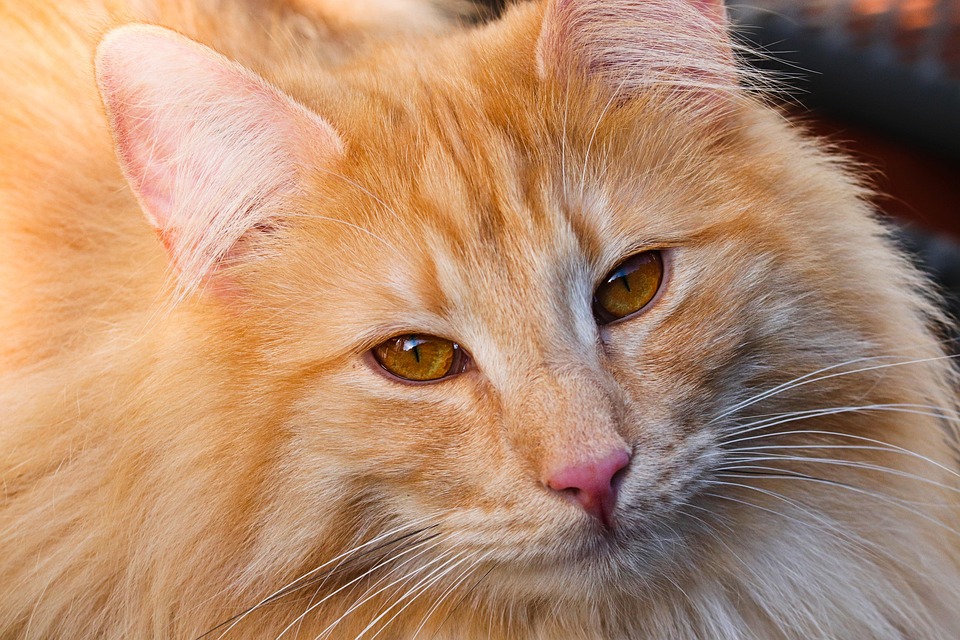
In recent years, cat ears have transitioned from simple costume accessories to widely recognized symbols of youthful rebellion, creativity, and cultural expression. Originating in Japanese anime and cosplay communities, cat ears have evolved into a global fashion phenomenon, appearing in various forms across multiple cultures. This article explores the origins, cultural significance, and widespread popularity of cat ears.
The Origin of Cat Ears
Cat ears, often represented as headbands with pointed feline features, first gained popularity in Japan during the ’90s, propelled by anime and manga. Characters with animal traits, or “kemonomimi” (which means “animal ears” in Japanese), enthralled audiences and ignited a fascination with anthropomorphic designs. This fascination did not remain confined to Japan; it spread to the west through the globalization of pop culture, particularly as a result of the internet and social media.
Cultural Significance
Symbol of Individuality
For many, cat ears represent a form of personal expression. Shoppers at cosplay conventions flaunt elaborate outfits adorned with cat ears, symbolizing their connection to favorite characters or the larger anime community. They serve as a veritable showcase of creativity, allowing individuals to interpret and embody the characteristics of iconic characters in their own unique ways.
Bridging Communities
The rise of cat ears has also contributed to the formation of communities, particularly among geek and gamer cultures. Online platforms like Twitch and TikTok amplify this phenomenon, where streamers and content creators don cat ears as a playful nod to their fandoms. This inclusive aspect fosters a sense of belonging, bridging the gap between different subcultures and allowing individuals to connect over shared interests.
Global Popularity
The appeal of cat ears transcends geographical boundaries. In countries like the United States, cat ears have infiltrated mainstream fashion, often seen at music festivals, conventions, and even in casual streetwear. Retailers quickly capitalized on the trend, offering a variety of products from simple headbands to elaborate hairstyles mimicking the ears.
In Europe, the phenomenon has been similarly embraced. Events like London Comic Con and Amsterdam’s Anime Con draw attendees eager to showcase their creativity. Cat ears have also found their way into high fashion, making appearances in runway shows and photo shoots, signaling a shift towards playful and whimsical designs in the fashion industry.
Marketing and Merchandise
The commercialization of cat ears has also played an integral role in their global rise. Retailers have created cat ear-themed accessories ranging from backpacks to jewelry, expanding their reach beyond just ear accessories. Influencers have capitalized on this trend by promoting cat ear products, further ingraining them into popular culture.
Why the Obsession?
The reasons behind the cat ear obsession are manifold. For one, they invoke a sense of nostalgia for many fans, reminding them of cherished childhood shows and cartoons. The cuteness factor, or “kawaii” culture, appeals to a broad audience, regardless of age. Additionally, the playful nature of cat ears allows individuals to express their quirky side, making them an appealing accessory for self-expression in a world that often emphasizes conformity.
FAQs
1. Are cat ears just for cosplay?
While cat ears originated in cosplay, they have become a popular fashion accessory that can be worn in various everyday settings. They appeal to a wide range of people, not just cosplayers.
2. Where can I buy cat ears?
Cat ears can be found in various retail stores, online marketplaces like Amazon, and specialty shops focused on anime merchandise. Many creators also offer handmade options on platforms like Etsy.
3. Can cat ears be worn by anyone?
Absolutely! Cat ears can be worn by anyone who enjoys them, regardless of age, gender, or style. They serve as a fun accessory that adds a whimsical touch to any outfit.
4. What materials are cat ears typically made of?
Cat ears are usually made from fabric, faux fur, or plastic. Some are designed to be lightweight for comfort, while others may feature more elaborate designs for cosplay.
5. Are there different types of animal ears besides cat ears?
Yes! Animal ears have expanded to include various types such as dog ears, fox ears, and bunny ears, all of which are popular in different subcultures and fandoms.
In conclusion, the cultural phenomenon of cat ears showcases a unique blend of creativity, expression, and nostalgia. As they continue to flourish across the globe, cat ears remain a cheerful emblem of personal and community identity in the ever-evolving landscape of modern fashion and pop culture.