

Blog
Purrs, Paws, and Probabilities: The Science Behind Cat Anatomy

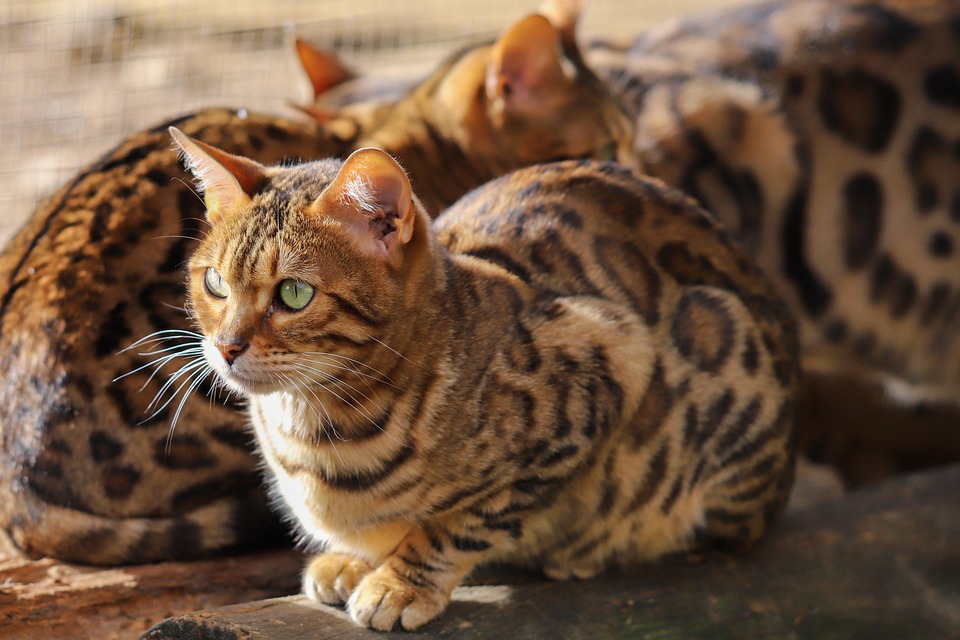
Cats have been revered companions to humans for thousands of years. Their enigmatic charm, independent nature, and playful antics have enchanted owners and researchers alike. But beneath their sleek fur and playful demeanor lies a complex biological architecture that merits exploration. The anatomy of our feline friends is a remarkable blend of evolution, engineering, and precision that contributes to their unique behaviors, health, and survival strategies.
The Structure of the Cat
Musculature and Flexibility
One of the defining features of a cat’s anatomy is its muscular system. Cats possess more than 500 muscles, providing them with a remarkable range of movement. Unlike humans, whose bodies are built for endurance and stability, cats are inherently built for agility and speed. Their muscle fibers are predominantly fast-twitch, allowing for quick bursts of movement essential for hunting.
A cat’s flexibility is also aided by its spine. Unlike human spines, the vertebrae in a cat’s back are more loosely connected, granting them an impressive degree of flexibility. This unique structure enables them to twist and bend their bodies with seemingly effortless grace. When a cat leaps, the spinal region acts like a spring, coiling before unleashing the stored energy, which propels them forward.
Paws and Claws
A cat’s paws are designed for both stealth and efficiency. The forelimbs are equipped with retractable claws, allowing cats to keep their claws sharp for hunting and climbing. The ability to retract their claws also prevents wear and tear, enhancing their stealth as they stalk prey.
The soft pads on their paws serve multiple functions: they provide traction and cushioning, allowing for silent movement, and contain a wealth of sensory nerves. These pads help cats navigate various terrains and judge distances as they leap into action. Interestingly, the toe arrangement—four toes on the front paws and five on the back—adds to their agility and balance, giving them the ability to pounce accurately on unsuspecting prey.
Sensory Systems
Cats have some of the most finely tuned senses in the animal kingdom. Their acute hearing, capable of detecting frequencies up to 64 kHz, far surpasses human capabilities and allows for effective hunting. Moreover, their superior night vision comes from a high number of rod cells in their retinas, coupled with a reflective layer that enhances visibility in low-light conditions.
The cat’s sense of smell is also significant, featuring up to 200 million scent receptors in their noses compared to a human’s 5 million. This extraordinary olfactory ability helps them track prey and communicate through scent markings.
Probability in Feline Behavior
Understanding cat behavior through the lens of probability can shed light on why they act the way they do. For instance, a cat may display compulsive grooming behavior, often linked to anxiety or an underlying health issue. Studies have shown that cats prone to stress demonstrate a higher probability of engaging in such behaviors.
Moreover, cats are known for their territorial nature. It is probable that a cat will mark its territory with scent glands located in its cheeks, paws, and tail. The likelihood of this behavior increases in multi-cat households, where competition for resources comes into play.
Conclusion
The anatomy of cats is a masterpiece of evolution, perfectly adapting them for hunting, climbing, and surviving in a variety of environments. Their physical structure, sensory capacities, and behavioral tendencies combine to create a compelling narrative of feline life. By understanding the intricate details of their anatomy, we can foster better relationships with our feline companions and ensure their well-being.
FAQs
1. Why do cats purr?
Cats purr for various reasons, including contentment, stress relief, and even self-healing. Purring at certain frequencies may stimulate healing processes in their bodies.
2. How flexible are cats compared to other animals?
Cats are among the most flexible animals due to their unique spinal structure, allowing them to twist and turn with ease. This flexibility is especially evident when they leap and land.
3. What should I do if my cat is over-grooming?
If your cat is over-grooming, it’s essential to consult a veterinarian. This behavior could indicate stress, allergies, or a skin condition that needs attention.
4. How can I enhance my cat’s environment for better mental stimulation?
Provide various toys, scratching posts, and climbing structures to engage your cat physically and mentally. Interactive play with toys can also stimulate their predatory instincts, keeping them happy and healthy.
5. Do cats really see in the dark?
Cats have excellent night vision due to a high number of rod cells in their eyes and a reflective tapetum lucidum layer. While they can see in low-light conditions better than humans, they cannot see in complete darkness.