

Blog
Meow-some Grooming Tips Every Cat Owner Should Know

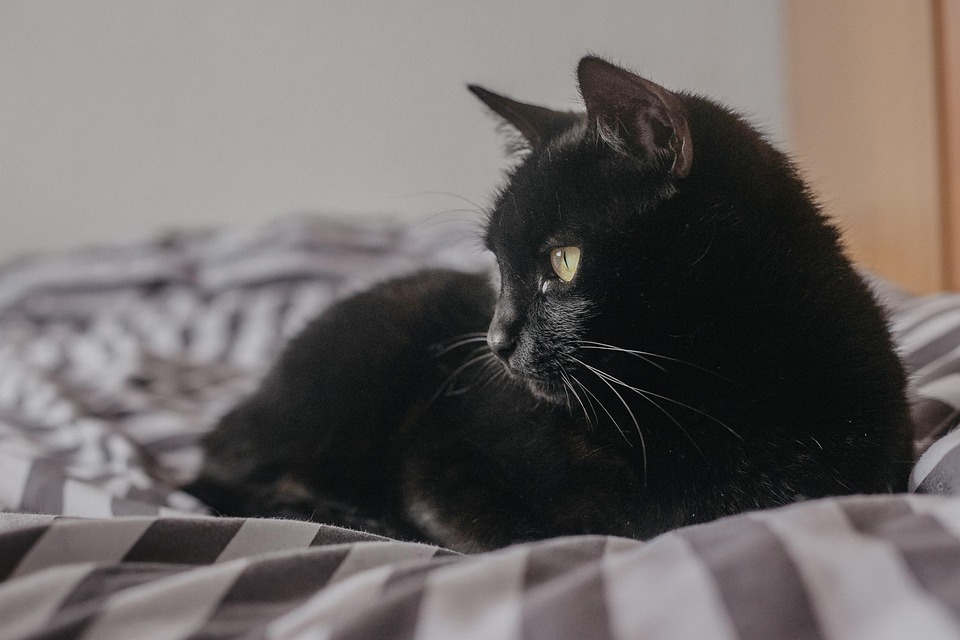
Caring for our feline companions involves more than just food and shelter; grooming plays a crucial role in their overall health and well-being. Regular grooming not only keeps your cat’s coat shiny and clean but also helps prevent health issues like matting, skin infections, and even behavioral problems. Whether you have a long-haired Persian or a short-haired Tabby, here are some essential grooming tips every cat owner should know.
1. Understand Your Cat’s Grooming Needs
Every cat is different. Breeds with longer hair, like Maine Coons or Ragdolls, require more frequent grooming to prevent matting. Short-haired cats, however, may only need brushing a couple of times a week. Familiarizing yourself with your cat’s grooming needs helps establish a routine that works for both you and your pet.
2. Choose the Right Grooming Tools
Investing in good grooming tools is essential for effective grooming. Basic tools typically include:
- Brushes: A slicker brush is perfect for long-haired cats, while a rubber curry comb is ideal for shorter fur.
- Combs: Wide-toothed combs help remove tangles; finer combs are good for smoothing and finishing touches.
- Nail Clippers: Specialized cat nail clippers or human nail clippers can be used to keep your cat’s claws trimmed.
- Cat-safe shampoo: For those rare baths, ensure you use a shampoo designed specifically for cats.
3. Establish a Routine
Cats are creatures of habit, and establishing a grooming routine can help them feel more comfortable during the process. Start with short grooming sessions, gradually increasing the time as your cat gets used to it. Aim for weekly or bi-weekly grooming sessions depending on your cat’s coat type.
4. Make It a Positive Experience
Grooming doesn’t have to be a chore. Use treats, gentle words, and affection to encourage your cat. Create a calm environment by choosing a quiet place for grooming. Playtime or cuddle time right after grooming can also help your cat associate the process with positive experiences.
5. Check for Health Issues
While grooming, take the opportunity to examine your cat for any signs of health issues. Look for lumps, bumps, or skin irritations. Pay attention to their ears, eyes, and teeth. If you notice anything unusual, don’t hesitate to consult your veterinarian.
6. Don’t Forget About the Ears and Teeth
Grooming extends beyond fur. Regularly check your cat’s ears for dirt or wax buildup. Use a vet-recommended ear cleaner if necessary. Dental care is equally important; consider incorporating tooth brushing into your routine or providing dental treats to help keep your cat’s teeth healthy.
7. Handle Shedding Efficiently
Cats shed more during certain seasons, which can leave a trail of fur around your home. Regular brushing helps manage shedding and keeps your home cleaner. In addition, consider using a lint roller or vacuum designed specifically for pet hair.
8. Know When to Seek Professional Help
If your cat has particularly thick or matted fur, it may be worth seeking professional grooming services. Some cats can be sensitive, and a professional groomer will often have tools and techniques that make the process faster and less stressful for the cat.
Conclusion
Grooming is an essential aspect of cat care that not only enhances their appearance but also contributes to their overall health. With the right tools, techniques, and a bit of patience, you can turn grooming time into quality bonding time with your feline friend. Remember to keep it positive and enjoyable, and always be attentive to your cat’s individual needs.
FAQs
1. How often should I groom my cat?
- Long-haired cats should be groomed several times a week, while short-haired cats typically need grooming once a week.
2. Is it necessary to bathe my cat?
- Most cats groom themselves effectively; however, an occasional bath may be necessary, especially if they get into something messy or have skin issues. Always use cat-specific shampoo.
3. Can I use human grooming tools on my cat?
- Some human tools can work, but it’s better to use groomers specifically designed for cats to avoid injury and ensure the best results.
4. What should I do if my cat doesn’t like grooming?
- Start slowly, use positive reinforcement with treats, and make the sessions short. If your cat remains stressed, consider consulting a professional groomer or veterinarian.
5. How can I help reduce shedding?
- Regular grooming helps, along with a balanced diet rich in omega fatty acids. Keeping your home environment clean also mitigates shedding and dander.