

Blog
Health Matters: What to Know About Breed-Specific Cat Care

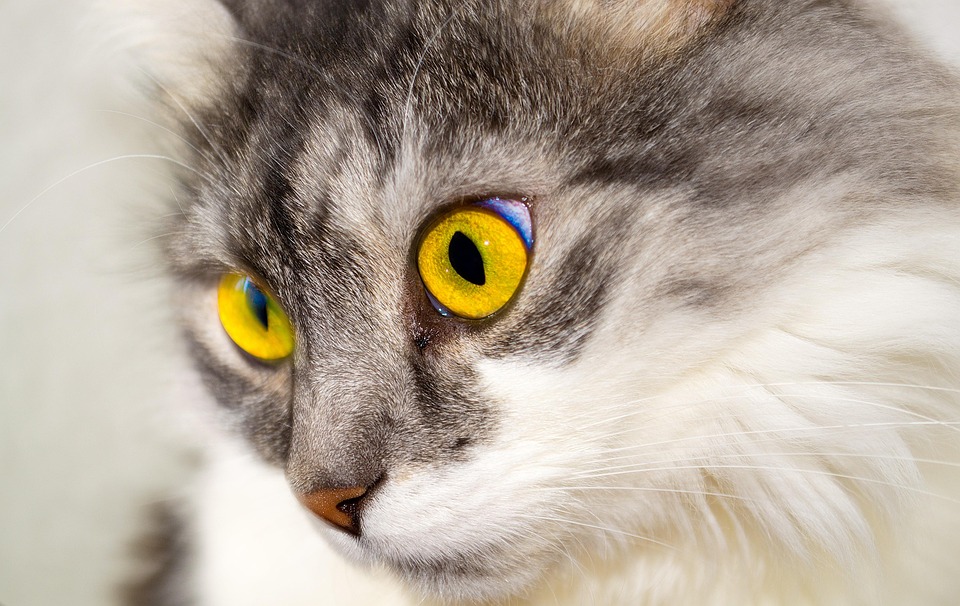
When it comes to feline companions, one size does not fit all. Every cat breed comes with its unique health considerations, care needs, and idiosyncrasies that owners should be aware of to ensure their pet’s optimal well-being. Understanding breed-specific care is crucial in providing the best life for your cat. In this article, we’ll explore why breed-specific care matters, the health concerns associated with popular cat breeds, and general tips for holistic cat care.
Why Breed-Specific Care Matters
Just like humans, cats can be predisposed to certain health issues based on their genetic makeup. For example, sleek Siamese cats are notorious for developing respiratory issues, while Persians may suffer from dental problems due to their unique facial structure. By being informed about these breed-specific health risks, owerers can take proactive steps to prevent and manage potential issues.
Caring for a specific breed involves adapting your approach to their particular needs. This can range from feeding habits to exercise routines and grooming techniques. Understanding these nuances can enhance your cat’s quality of life and significantly impact their longevity.
Popular Cat Breeds and Their Health Concerns
Persian Cats: Known for their luxurious coats and flat faces, Persian cats often face issues like breathing difficulties, eye conditions (like tear duct blockage), and dental diseases. Regular grooming is essential to prevent mats and skin issues due to their thick fur.
Siamese Cats: These vocal and social pets can be prone to respiratory problems and may face issues like eye disease and dental problems. Regular vet check-ups help catch any health concerns early on.
Maine Coons: This giant breed is known for its friendly demeanor but is also prone to genetic issues like hypertrophic cardiomyopathy, a form of heart disease. Regular cardiac evaluations can help manage this risk.
Bengal Cats: With their exotic looks, Bengals are active and playful but can be susceptible to certain hereditary conditions like hip dysplasia and certain types of allergies. An active lifestyle and a balanced diet can help mitigate these risks.
Ragdolls: These gentle giants are prone to heart disease and certain types of cancers. Regular veterinary check-ups and a monitoring program are essential to catch any issues early.
General Tips for Breed-Specific Care
Nutrition
Each cat breed may have specific nutritional needs. Research high-quality cat foods that cater to your breed’s energy levels and potential health risks. For instance, large breeds like the Maine Coon may benefit from nutrient-rich diets that support joint health, while others may need calorie-restricted diets to maintain a healthy weight.
Exercise
Exercise is key to maintaining a healthy weight and preventing boredom-related behavioral issues. Engaging with your cat through playtime and setting up interactive toys can help keep them active. Different breeds may have varying activity levels; for instance, Bengals require more rigorous play to expend their energy.
Grooming
Grooming needs vary significantly among breeds. Long-haired breeds like Persians require daily grooming to keep their coats healthy. Meanwhile, short-haired breeds may need less frequent grooming but should still be brushed to reduce shedding and hairballs.
Regular Vet Visits
Routine veterinary care is crucial in spotting any potential health issues early. Schedule annual check-ups to monitor your cat’s health status, update vaccinations, and discuss preventive care tailored to your breed.
Dental care
Dental health is an often-overlooked aspect of feline care. Regular dental cleanings and at-home dental care (like brushing or dental treats) are particularly essential for breeds prone to dental issues.
FAQs
1. How often should I take my cat to the vet?
It’s advisable to have annual check-ups for most healthy cats. Older or breed-prone cats may require more frequent visits.
2. Are all breeds equally playful?
No, different breeds have different energy levels. For instance, Bengals tend to be more active and require more playtime than Ragdolls.
3. What should I feed my breed-specific cat?
Research your breed’s nutritional needs and opt for high-quality cat food that caters to their health concerns.
4. How can I improve my cat’s dental health?
Regular dental check-ups, using dental treats, and brushing your cat’s teeth can significantly benefit their oral health.
5. How important is grooming for cats?
Grooming is essential, especially for long-haired breeds to prevent mats and skin issues. Even short-haired cats benefit from regular brushing.
In conclusion, understanding breed-specific needs in cat care can significantly improve the quality of life for your feline friend. Awareness of health concerns, tailored nutrition, exercise, grooming, and regular vet visits can help ensure that your cat leads a happy, healthy life. Take proactive steps and be the advocate your cat needs!