

Blog
“Going Grain-Free: Is It Right for Your Cat?”

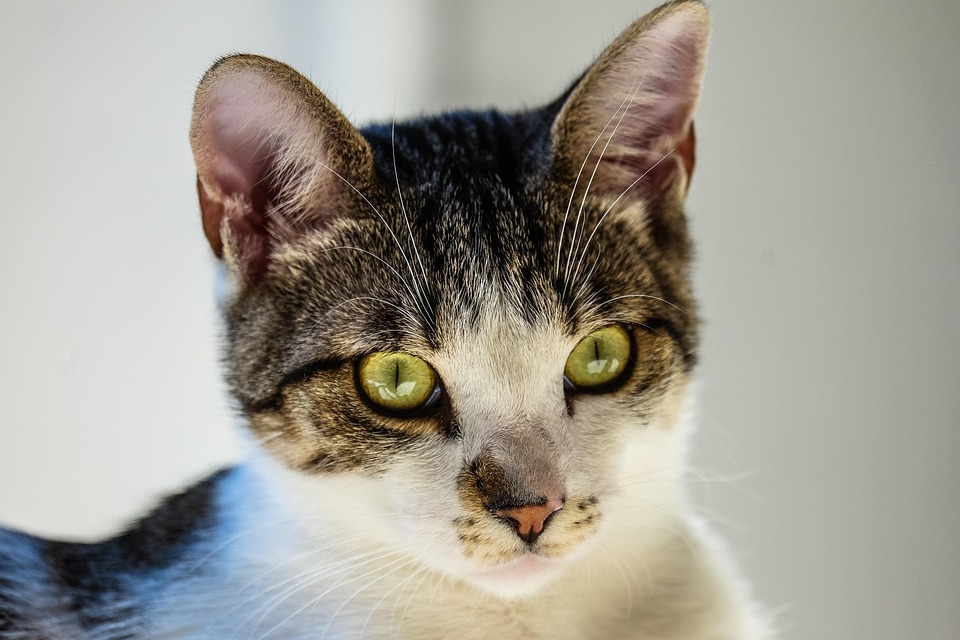
Going Grain-Free: Is It Right for Your Cat?
In recent years, there’s been a growing trend among pet owners to consider grain-free diets for their cats. Cats, being obligate carnivores, have different nutritional needs compared to omnivorous pets like dogs. As you explore dietary options for your feline friend, it’s important to understand whether a grain-free diet is genuinely beneficial, what it entails, and how to make an informed decision for your cat’s overall health.
Understanding Grain-Free Diets
A grain-free diet eliminates conventional grains such as wheat, corn, rice, and oats from pet food. Instead, these diets typically focus on high-protein ingredients, soliciting substitutes like vegetables, fruits, and legumes to provide essential nutrients and fiber. The marketing around grain-free diets often emphasizes their alignment with a cat’s natural hunting and eating instincts, as cats primarily consume meat in the wild.
Potential Benefits
Allergies and Sensitivities: Some cats may develop allergies or intolerances to grains, leading to gastrointestinal issues like diarrhea, vomiting, or skin irritations. For these cats, switching to a grain-free diet can alleviate symptoms and improve their quality of life.
Weight Management: Grain-free diets often contain higher protein and lower carbohydrate content, which can be beneficial for maintaining a healthy weight. This is particularly important for indoor cats who may be less active and prone to obesity.
Improved Digestion: Certain cat owners report that their cats have better digestive health on grain-free diets. Since many grain-free options are high in meat and protein, they may be easier for cats to digest.
Considerations Before Transitioning
While there can be benefits to a grain-free diet, there are specific considerations to keep in mind:
Nutritional Balance: Cats require a balanced diet that includes essential amino acids, vitamins, and minerals. Not all grain-free foods are created equal. Ensure that any new diet meets the complete nutritional guidelines established by veterinary nutritionists and associations.
Potential Risks: Research has suggested a potential link between grain-free diets and heart disease, particularly dilated cardiomyopathy (DCM), in dogs. While the correlation in cats is less clearly defined, it’s prudent to discuss any dietary changes with your veterinarian.
Individual Needs: Each cat has its own health profile and dietary needs. Factors such as age, activity level, and pre-existing conditions should be taken into account before making significant dietary changes.
Transitioning to a Grain-Free Diet
If you decide that a grain-free diet may be suitable for your cat, it’s crucial to transition gradually. Sudden dietary changes can lead to gastrointestinal upset. Mix the new grain-free food with your cat’s current food over 7 to 10 days, gradually increasing the proportion of the new food. Monitor for any signs of digestive distress during this process, and consult with a veterinarian if any issues arise.
Conclusion
Going grain-free may be the right choice for some cats, particularly those with specific health issues or dietary intolerances. However, it’s essential to weigh the pros and cons carefully and consult with a veterinarian. A well-balanced diet—whether grain-free or not—is key to maintaining your cat’s health and wellbeing.
FAQs
1. Is a grain-free diet safe for all cats?
No, a grain-free diet is not necessary for all cats. Many cats thrive on diets that include grains. It’s important to consult a veterinarian to determine your cat’s specific needs.
2. What are the signs my cat may have a grain allergy?
Some common signs of a grain allergy include vomiting, diarrhea, itching, and skin irritations. If you observe these symptoms, consult your veterinarian.
3. How do I know if a grain-free diet is appropriate for my cat?
Speak with your veterinarian, who can assess your cat’s health status and dietary needs. They can recommend a diet that ensures a balanced intake of all necessary nutrients.
4. Can I put my kitten on a grain-free diet?
While some grain-free diets may be suitable for kittens, they require a specified balance of nutrients critical for growth. Always check with your vet before making dietary changes for kittens.
5. How can I transition my cat to a grain-free diet?
Transition slowly by mixing the new food with their current food over a week or so, gradually increasing the new food portion. Monitor your cat for any digestive issues during the transition.