

Blog
From Paw Pads to Playful Tails: The Fascinating Anatomy of Cats

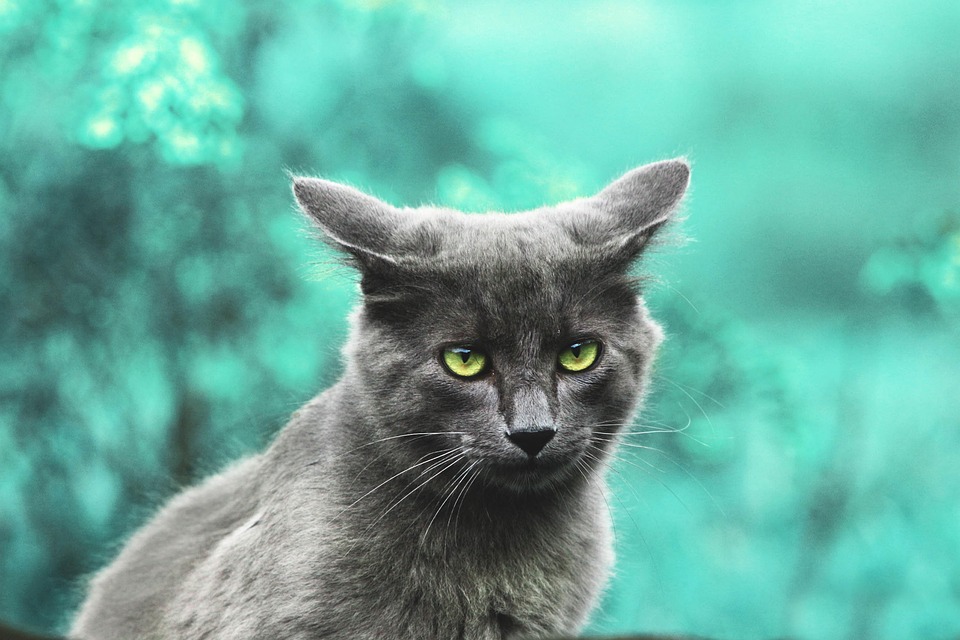
Cats have long been beloved companions for many, and their unique anatomy significantly contributes to their charm and character. With a body designed for agility, stealth, and interaction, every feature of a cat serves a purpose. From their sensitive paw pads to their expressive tails, let’s delve into the amazing biology of our feline friends.
The Importance of Paw Pads
At first glance, cat paw pads may seem like simple features, but they are crucial for a cat’s day-to-day activities. Composed of a thick layer of fat and connective tissue, these pads provide insulation and cushioning. Cats predominantly walk on their toes, which enhances their stealth—vital for hunting. The soft texture of paw pads allows for silent movements as they prowl.
Paw pads also serve another essential function: sensory perception. Cats have numerous nerve endings in their paw pads, enabling them to detect even the slightest changes in texture and temperature while walking. This sensory feedback is crucial when stalking prey or assessing their environment. Additionally, their retractable claws, housed within their paw anatomy, enable them to climb, defend themselves, and groom effectively.
The Elegance of Whiskers
Whiskers, or vibrissae, are another exceptional feature of a cat’s anatomy. These highly sensitive, long hairs are thicker and longer than regular fur, serving as tactile sensors that help cats navigate their surroundings. Whiskers have a rich supply of nerves and blood vessels, allowing them to pick up vibrations in the air and assess the width of openings as they move through tight spaces.
Moreover, whiskers help cats gauge distances—important for jumping and hunting. Whether perched atop a bookshelf or sneaking through narrow gaps, whiskers act as navigational aids, ensuring their movements are both graceful and precise.
The Expressive Tail
A cat’s tail is not only a physical appendage; it plays a vital role in communication. The position and movement of a cat’s tail can convey a range of emotions. An upright tail often signals friendliness and curiosity, while a swishing or twitching tail indicates agitation or excitement. Moreover, if a cat’s tail is held low or tucked between its legs, it can signify fear or submission.
Anatomically, a cat’s tail is comprised of vertebrae surrounded by muscles and ligaments, allowing it to be incredibly flexible. This flexibility makes it an essential tool for maintaining balance—particularly when cats perform acrobatic feats such as climbing or jumping from great heights.
Unique Skeletal Structure
Cats have an extraordinary skeletal structure, which contributes to their remarkable agility. Their flexible spine consists of more vertebrae than that of dogs or humans, providing a greater range of motion. This flexibility allows for quick reflexes, making them exceptional hunters.
Additionally, cats have a collarbone (clavicle) that is not connected to other bones, giving them the ability to squeeze through tight spaces. This evolutionary trait makes them formidable predators, as they can chase and corner prey effectively.
The Fascination of Feline Communication
Cats communicate not only through tail movements and vocalizations but also through their unique facial anatomy. The structure of their eyes, ears, and mouth helps convey emotions and intentions. Cats have excellent night vision thanks to a high number of rod cells in their retinas and a reflective layer called the tapetum lucidum. This anatomical feature enables them to hunt effectively in low light.
The shape of a cat’s ears is designed to amplify sounds, helping to detect the faintest rustle of potential prey. Additionally, their expressive eyes are equipped with a third eyelid, or nictitating membrane, which protects their eyes while maintaining sight.
FAQs
1. Why do cats have whiskers?
Whiskers are tactile sensors that help cats navigate their surroundings and gauge the width of openings. They are essential for spatial awareness and hunting.
2. Why are cat paws so soft?
Cat paw pads are composed of thick fat and connective tissue, providing cushioning and insulation while also allowing for stealthy movements.
3. How do cats communicate with their tails?
A cat’s tail position and movement convey a range of emotions. For example, a high, upright tail signifies confidence, while a flicking tail can indicate agitation.
4. Why do cats’ eyes glow in the dark?
Cats’ eyes glow due to a reflective layer called the tapetum lucidum, which enhances their night vision by reflecting light back through the retina.
5. What is the purpose of a cat’s retractable claws?
Retractable claws serve multiple purposes, including climbing, hunting, grooming, and defending themselves. They allow cats to keep their claws sharp and hidden when not in use.
In summary, the anatomy of cats is not just for show; it serves practical purposes that optimize their survival and interaction within their environments. Such a remarkable combination of physical characteristics creates the extraordinary creatures we love.