

Blog
Feline Fun: Engaging Activities and Tips for Your Cat

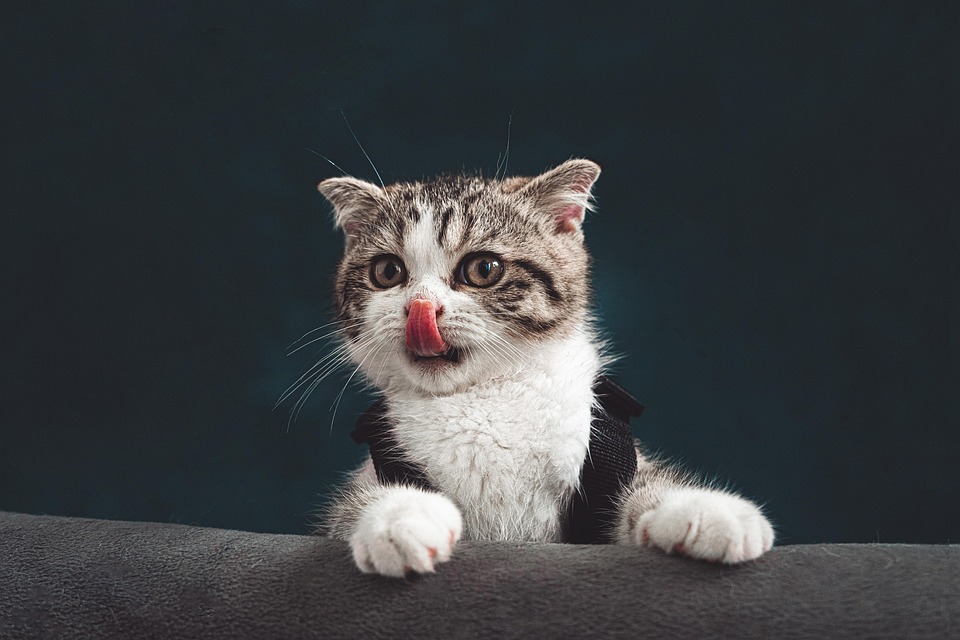
Cats are more than just adorable companions; they are playful creatures that thrive on interaction and stimulation. While their independent nature often leads them to entertain themselves, providing your feline friend with engaging activities can enrich their life, strengthen your bond, and even support their health. Below are some delightful ideas and tips for ensuring that your cat remains happy, active, and engaged.
1. Interactive Toys
Investing in interactive toys is one of the best ways to keep your cat entertained. Toys that respond to your cat’s movements—such as feather wands, laser pointers, and battery-operated mice—can stimulate their natural hunting instincts. Rotate the toys regularly to keep the novelty alive, ensuring your cat doesn’t grow bored.
2. DIY Enrichment
Creating an enriching environment doesn’t have to be expensive. Simple DIY projects can provide hours of entertainment for your cat:
Puzzle Feeders: Hide your cat’s kibble or treats in a puzzle feeder or even in a simple cardboard box with cut-out holes. This encourages your cat to work for their food, stimulating their mind and satisfying their curiosity.
Homemade Toys: Upcycle everyday items like cardboard boxes, paper bags, or toilet paper rolls. Cats love to explore and play in boxes, and adding a few hidden treats can enhance the fun!
3. Cat Trees and Scratching Posts
Investing in a good cat tree not only gives your feline a place to perch but also encourages climbing and scratching, which are important activities for their physical health. Make sure the cat tree has various levels and lookout spots to satisfy their desire for vertical space.
Scratching posts are essential as they help maintain your cat’s claws and provide an appropriate outlet for their scratching instinct. Different materials and textures can make it even more exciting for your cat.
4. Training Sessions
Believe it or not, cats can learn tricks much like dogs. Using treats as positive reinforcement during short training sessions can keep your cat mentally engaged. Simple commands like “sit,” “high five,” or “roll over” can be taught with patience and consistency.
5. Social Interaction
Every cat is different. Some enjoy companionship from other pets or children, while others prefer a more solitary environment. Gauge your cat’s personality and adjust your approach accordingly. For social cats, incorporating short playdates with other friendly pets can serve as stimulating interaction.
6. Outdoor Adventures
If it’s safe to do so, consider leash training your cat for some outdoor exploration. Many cats enjoy being outdoors and can benefit from the sights and sounds of nature. Use a harness and leash to ensure their safety, and begin slowly by allowing them to roam in a secure area.
7. Scheduled Playtime
Cats thrive on routine, and setting a dedicated time for play can be an excellent way to keep both you and your cat engaged. Miller play sessions throughout the day can help satisfy their energy needs and provide a reliable bonding time.
8. Engage Their Senses
Cats have incredibly sharp senses and love new experiences. Introduce them to different sensory stimuli through:
- Scent enrichment: Use catnip, honeysuckle, or even safe human foods (like avocado or melon) to stimulate their sense of smell.
- Auditory stimulation: Cats often respond to sounds. Consider incorporating a cat-friendly audio track with the sounds of birds chirping or mice squeaking for auditory enrichment.
Conclusion
Creating a fun and stimulating environment for your cat will not only enhance their well-being but also strengthen the bond you share. By incorporating a variety of activities and adjusting them to your cat’s personality, you can ensure they remain happy, healthy, and vibrant throughout their life.
FAQs
Q: How much playtime does my cat need?
A: Most cats benefit from at least 15-30 minutes of interactive playtime each day.
Q: What are some safe materials for DIY cat toys?
A: Safe materials include cardboard, fabric, felt, and non-toxic glue. Always avoid small parts that can be swallowed.
Q: Can all cats be leash-trained?
A: Not all cats will take to leash training. Be patient and start in a secure and comfortable environment.
Q: How can I tell if my cat is bored?
A: Signs of boredom may include excessive sleeping, weight gain, destructive behavior, or an increase in vocalization.
Q: Is it okay to have multiple cats in one household?
A: Yes, but be sure to introduce them slowly and monitor behavior to ensure they get along. Provide separate resources to minimize competition.