

Blog
“Feline Fascination: The Science Behind Our Love for Cat Ears”

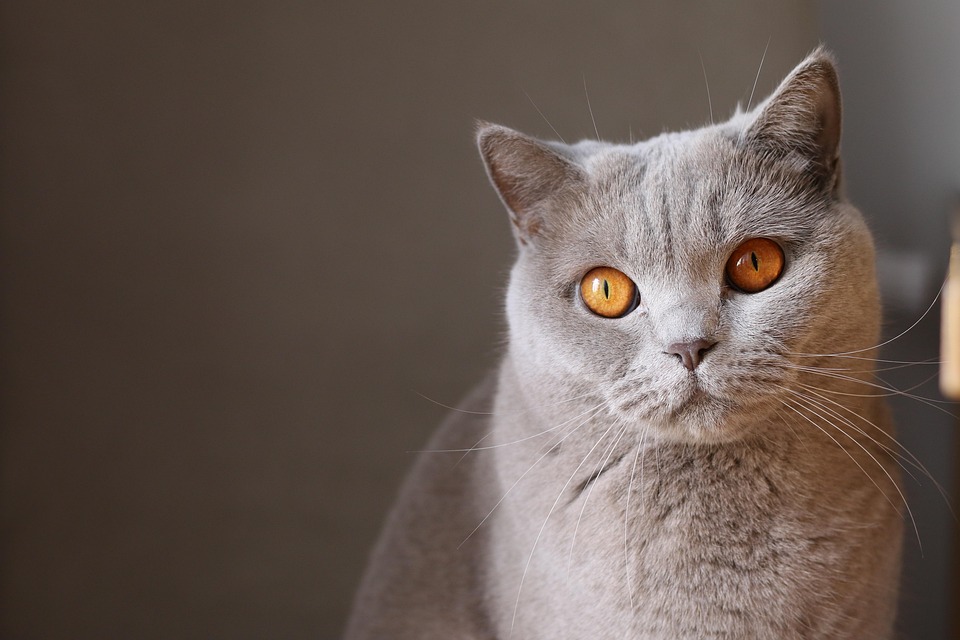
Cats have been beloved companions to humans for thousands of years, captivating our hearts with their mysterious behaviors and adorable physical traits. Among these traits, cat ears hold a unique charm that draws people in, sparking joy and affection. But what exactly is it about cat ears that fascinates us? The answer lies at the intersection of biology, psychology, and culture.
The Biology of Cat Ears
To understand our fascination with cat ears, it’s essential first to look at their biological design. Cat ears have evolved for function and aesthetics. They are highly mobile, allowing cats to rotate their ears up to 180 degrees to detect sounds from various directions. This adaptation is crucial for hunting and survival, as their acute sense of hearing lets them pick up on the slightest rustle of prey.
Additionally, the shape of cat ears enhances their hearing capabilities. The triangular form and the size of the ear canal amplify sounds, making these petite predators incredibly effective hunters. This remarkable design adds to their allure, creating an innate curiosity in observers as we marvel at the elegance of their anatomy.
The Psychological Connection
Humans are naturally predisposed to respond to certain physical traits. The cuteness of cat ears—a feature appealingly large and expressive—triggers our nurturing instincts. This response can be traced back to the concept of neoteny, where juvenile traits elicit caregiving behaviors. Cats possess features reminiscent of human babies: rounded faces, large eyes, and, of course, those delightful ears. These characteristics spark feelings of affection and protectiveness, fostering a strong bond between humans and cats.
Research has shown that interactions with pets can lead to increased serotonin levels, enhancing feelings of happiness and well-being. When we see cat ears—whether in real life or in images—they can evoke these positive feelings, further deepening our emotional connection to cats.
Cultural Significance
The fascination with cat ears extends beyond biology and psychology into the realm of culture. Throughout history, cats have been revered in various societies, from ancient Egypt, where they were considered divine creatures, to contemporary Japan, where they serve as symbols of good fortune. The iconic images of felines, often emphasizing their ears, have permeated art, literature, and pop culture.
In recent years, the internet has further amplified our obsession with cat ears, developing a phenomenon known as “cat culture.” Memes, videos, and social media postings showcasing cute cats and their ears have flooded platforms, often going viral. The internet community not only celebrates these traits but also fosters a sense of belonging among cat enthusiasts across the globe.
The Appeal of Accessories
The love for cat ears is not limited to our furry companions. The popularity of cat ear accessories—headbands, hats, and even fashion statements—reflects our desire to connect with this beloved trait. These accessories encapsulate the delightful essence of cats, allowing individuals to embody that feline charm. The combination of cuteness, playfulness, and nostalgia associated with cat ears resonates with many, making them a favored fashion choice.
Moreover, this trend showcases the versatility of cat ears in language and symbolism. They represent playfulness and whimsy, inviting people to express their personalities while paying homage to feline grace.
Conclusion
Our love for cat ears stems from a blend of captivating biology, psychological responses, and cultural significance. As both a symbol of affection and a focal point of aesthetic appeal, cat ears resonate deeply within us. From their impressive functionality to the warmth they evoke, cat ears encapsulate the essence of what makes cats enchanting companions.
FAQs
Q1: Why do cats have such large ears?
Cats have large ears to enhance their hearing abilities. The size and shape allow for better sound amplification, crucial for hunting.
Q2: How do cat ears communicate emotions?
Cats use their ears to convey emotions. Forward ears indicate curiosity or interest, while flattened ears express fear or aggression.
Q3: What makes cat ears appealing to humans?
Their size, shape, and neotenous features trigger feelings of affection, prompting nurturing instincts in humans.
Q4: Why do people wear cat ears?
Wearing cat ears can be a form of self-expression, allowing individuals to connect with the playful and whimsical traits associated with cats.
Q5: Do all cats have the same ear shape?
While most domestic cats have similar ear shapes, some breeds, like the Scottish Fold, feature unique ear characteristics that further diversify feline appearances.