

Blog
Claw-some DIY Cat Toys: Create Fun and Engaging Playtime for Your Pet

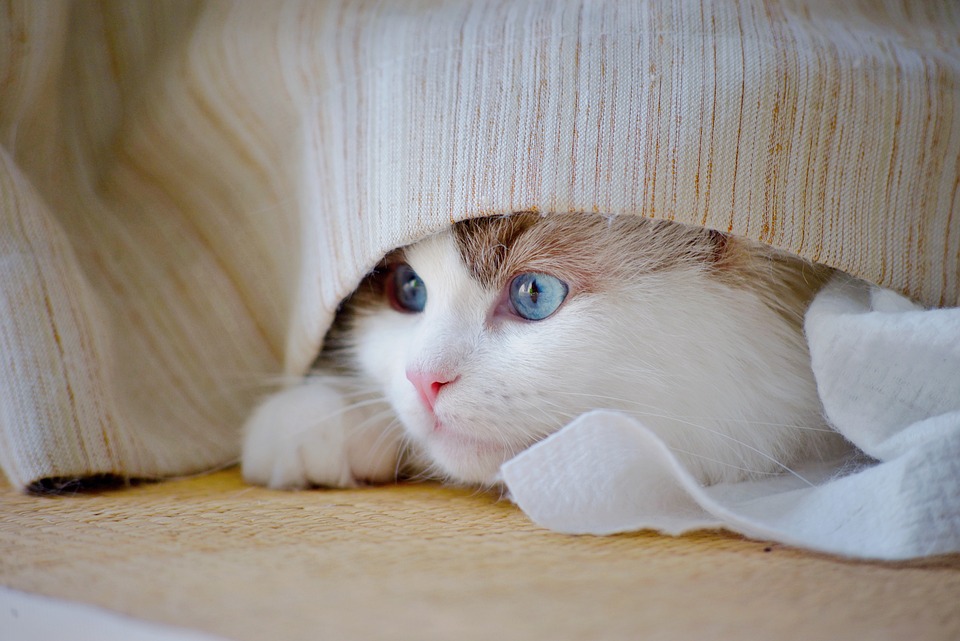
Pets, especially cats, thrive on playtime. Engaging your feline friend not only enhances their physical health but also keeps their minds sharp and stimulated. While there are countless commercial toys available, creating your own DIY cat toys can be a rewarding and fun experience. This guide will provide you with several creative ideas for crafting claw-some toys that will delight your furry companion.
Why DIY Cat Toys?
Creating DIY cat toys has several benefits. First, you can tailor the toys to suit your cat’s preferences, whether they love to chase, pounce, or chew. Second, many DIY toys can be made from materials that you already have at home, making it an affordable option. Lastly, making toys for your cat can be a bonding experience that enriches your relationship.
Fun DIY Toy Ideas
1. Feather Wand
A classic cat toy, the feather wand is less complicated to make than you may think. You will need:
- A wooden dowel or a sturdy stick
- String or cord
- Feathers or bells
Instructions:
- Cut a piece of string about 2-3 feet long.
- Tie one end to the top of the dowel.
- Attach feathers or bells to the other end of the string by tying them securely.
- Wave the wand around, encouraging your cat to jump and pounce.
2. Catnip Sock Toy
Cats love catnip, and a sock toy filled with it is a fantastic way to keep them entertained.
- An old sock
- Dried catnip
- A small fabric ball or cotton ball (optional)
Instructions:
- Take an old sock and fill it with dried catnip (and the fabric ball if you’re using one).
- Tie off the open end tightly with string or a rubber band.
- Toss it to your cat and watch them go wild with excitement!
3. Paper Bag Tunnel
Cats enjoy exploring and hiding, and a paper bag tunnel can satisfy both natural instincts.
- Paper bags (the kind from grocery stores are ideal)
- Scissors (optional)
Instructions:
- Simply cut off the bottom of the paper bags.
- Open them up and arrange them in a tunnel shape.
- You can stagger multiple bags to create a longer tunnel.
- Place some toys inside to entice your cat to explore!
4. Toilet Paper Roll Treat Dispenser
This simple toy combines play with a treat reward.
- Empty toilet paper rolls
- Treats or kibble
- Tape or glue
Instructions:
- Close off one end of the toilet paper roll with tape or glue.
- Fill the roll with treats or kibble.
- Close off the other end loosely, allowing some treats to fall out as your cat rolls it.
- Supervise play to ensure your cat doesn’t swallow any parts of the roll.
5. Pompom Balls
These lightweight, colorful balls are easy to make and will give your cat something to bat around.
- Yarn in various colors
- Scissors
Instructions:
- Wrap the yarn around your fingers (or cut a piece of cardboard to wrap around).
- After wrapping several times, tie a piece of yarn tightly around the bundle.
- Cut the loops and fluff the pompom.
- Toss the pompom for your cat to chase!
Safety Tips
While DIY toys can provide fun and stimulation, it’s essential to ensure their safety. Avoid using small parts that could be swallowed, and supervise your cat during playtime. Regularly inspect the toys for wear and tear to prevent any potential hazards.
FAQs
1. Are homemade cat toys safe?
Yes, homemade cat toys can be safe if made from non-toxic materials and regularly checked for wear and tear. Avoid small parts that can be swallowed.
2. How often should I replace my cat’s toys?
It’s a good idea to rotate toys every few weeks to keep your cat engaged. Replace any damaged toys immediately to ensure safety.
3. Can I use fabric scraps for DIY toys?
Absolutely! Many cats enjoy playing with fabric, especially if it contains catnip. Just be cautious of any loose strings that might pose a choking hazard.
4. What’s the best material for a DIY cat toy?
Natural materials like paper, cardboard, and fabric are great options. Ensure that any materials you use are safe and non-toxic for pets.
Conclusion
DIY cat toys provide not only entertainment but also a fantastic way to bond with your beloved pet. Experiment with different ideas and materials, and let your cat’s preferences guide you. With a little creativity and minimal effort, you can ensure that your feline friend enjoys engaging playtime that keeps them active and happy!