

Blog
Cattitude Defined: Understanding the Unique Personalities of Different Breeds

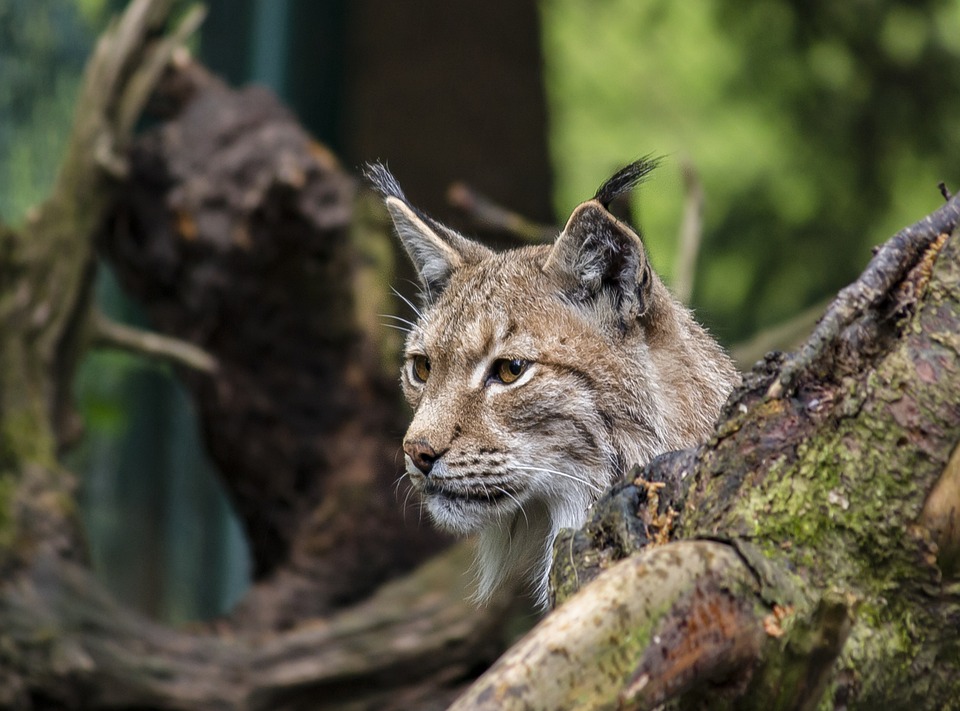
Cattitude: a term that perfectly encapsulates the distinct and often perplexing personalities exhibited by our feline friends. While all cats share certain traits typical of their species—curiosity, independence, and an affinity for napping—each breed also possesses its own unique quirks and characteristics that shape its behavior and relationships with humans.
Understanding the distinctive personalities associated with different cat breeds can help prospective cat owners choose the right feline companion for their lifestyle. Here’s a glimpse into the personalities of some popular cat breeds:
1. Siamese
Known for their striking blue almond-shaped eyes and short coat, Siamese cats are equally notable for their vocal and social nature. They thrive on human interaction, often following their owners from room to room. Siamese cats are highly intelligent and can learn tricks, making them interactive companions. Their strong emotional bonds with humans are evident, as they often display jealousy if their owners lavish attention on other pets.
2. Persian
Persians are the epitome of regal serenity. With their long, luxurious coats and sweet expressions, they exude a calm demeanor. Unlike their Siamese counterparts, Persians are less vocal and prefer to observe their surroundings rather than interact actively. They enjoy a peaceful existence, often favoring quiet environments where they can lounge and enjoy a gentle petting session. However, they are also known for their gentle and affectionate nature, making them ideal for relaxed households.
3. Maine Coon
The gentle giants of the cat world, Maine Coons are known for their size, tufted ears, and bushy tails. What sets them apart is their friendly and playful temperament. These cats are often described as “dog-like” due to their loyalty and willingness to engage with family members. They enjoy interactive play and are known to follow their owners around the house. Their sociable nature makes them great companions for families with children or other pets.
4. Bengal
With their striking spotted coat reminiscent of a wild leopard, Bengals are full of energy and curiosity. They thrive on interaction and require much stimulation, both physical and mental. Bengals are known to exhibit playful behavior well into adulthood, enjoying games that challenge their intelligence, such as puzzle toys or fetch. They have a strong need for companionship and can become anxious if left alone for long periods, making them more suitable for active households.
5. Ragdoll
Ragdolls live up to their name—they are known for their relaxed, docile nature and the tendency to go limp when picked up. With striking blue eyes and semi-long fur, they are as beautiful as they are affectionate. Ragdolls are typically gentle and sociable, making them fantastic family pets. They often enjoy being held and cuddled, thriving in an environment where they can receive plenty of love and attention.
6. British Shorthair
Recognized for their round faces and dense coats, British Shorthairs exude a calm and laid-back demeanor. They are often characterized as independent yet affectionate, appreciating companionship without being overly demanding. These cats are playful without being hyperactive, making them ideal for both busy households and quiet homes. They are naturally good observers and can adapt well to various lifestyles.
Conclusion
No matter which breed you choose, understanding their unique traits is essential for fostering a healthy and rewarding relationship. Just like humans, every cat has its own personality, shaped by genetics and environment. By recognizing the distinct characteristics associated with each breed, potential cat owners can make informed decisions, ensuring a harmonious home that meets both the cat’s and the owner’s needs.
FAQs
Q1: Is cattitude specific to certain breeds?
A1: While all cats have personalities, certain breeds have specific traits that are more pronounced, such as sociability, independence, or playfulness. This “cattitude” can vary widely among individual cats within the same breed.
Q2: Can a cat’s personality change over time?
A2: Yes, a cat’s personality can evolve based on its life experiences, environment, and socialization. Factors like age, health, and living conditions can influence behavior and temperament.
Q3: How can I choose a cat that matches my lifestyle?
A3: Consider factors such as activity level, the amount of attention required, and the cat’s disposition. Researching different breeds and meeting cats in person can help you find a cat that fits your lifestyle.
Q4: Can cats be trained to behave differently?
A4: While cats can’t be trained as easily as dogs, they can learn certain behaviors through positive reinforcement techniques. Early socialization and consistent training can encourage desired behaviors.
Understanding cattitude is key to selecting the ideal feline companion and fostering a loving, harmonious relationship.