

Blog
“Cat Food Allergies: Signs Your Pet Might Need a Diet Change”

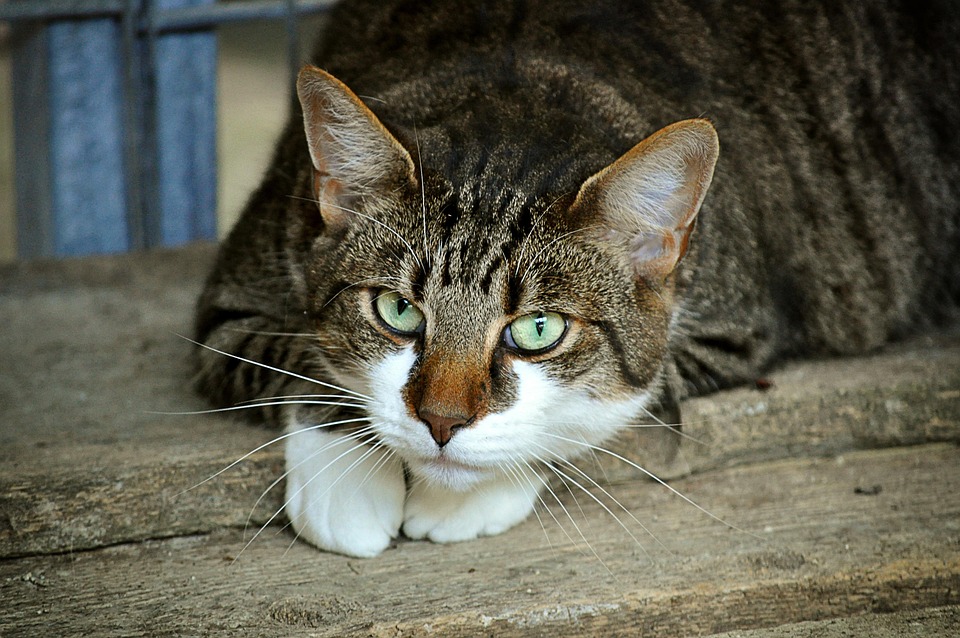
Cats are known for their finicky eating habits, but if your furry friend suddenly becomes less interested in their food, it might signal something more serious than simple pickiness. Like humans, cats can develop allergies, and food allergies are among the most common. Understanding the signs that your cat might have a food allergy is crucial for their health and well-being.
Signs of Food Allergies in Cats
1. Skin Issues
One of the most prominent signs of food allergies in cats is the presence of skin problems. Allergies can cause excessive itching, redness, and inflammation. You may observe your cat scratching more frequently or developing rashes and flaky skin. In severe cases, this can lead to hot spots and hair loss.
2. Gastrointestinal Problems
Food allergies often manifest as gastrointestinal issues. Cats may experience vomiting, diarrhea, or constipation. You might notice changes in their bowel movements, such as mucus or blood in their stool. If you see these signs, it is essential to consult a veterinarian to determine whether an allergen might be causing the problem.
3. Behavior Changes
Food allergies can also lead to behavioral changes. If your cat seems more irritable or withdrawn, it could be due to discomfort from allergy symptoms. Additionally, some cats may become more vocal, which can signal distress or frustration caused by itching or digestive discomfort.
4. Chronic Ear Conditions
Watch for signs of chronic ear infections, such as constant head shaking, ear scratching, or a foul odor coming from the ears. Cats suffering from food allergies are at a higher risk of developing ear infections, often due to the inflammation associated with allergy reactions.
5. Changes in Weight
Some cats may experience weight loss or gain due to food allergies. If your cat has lost weight without a change in diet or activity level, it might be due to gastrointestinal disturbances preventing proper nutrient absorption or loss of appetite from discomfort.
Diagnosing Food Allergies
If you suspect your cat has a food allergy, it’s important to consult a veterinarian. Diagnosis often involves a thorough medical history, physical examination, and sometimes food trials. Your vet may recommend an elimination diet, where common allergens (like chicken or beef) are removed from the diet for a period of time before being gradually reintroduced. This helps identify the specific ingredient causing the allergy.
Choosing the Right Diet
Once a food allergy is diagnosed, your veterinarian will likely recommend a specialized diet. Hypoallergenic pet foods often contain novel proteins (like duck or venison) that aren’t commonly found in standard cat foods, reducing the risk of an allergic reaction. Additionally, pay close attention to ingredient labels, avoiding fillers and grains that could also trigger sensitivities.
FAQs
1. What common ingredients cause food allergies in cats?
Common allergens in cat food include chicken, beef, dairy, fish, eggs, and certain grains. Every cat is unique; what may cause allergies in one may not in another.
2. How long does it take to see improvements after changing my cat’s diet?
Improvements in symptoms often take a few weeks to a couple of months after a diet change. It’s important to maintain the new diet consistently during this period.
3. Can food allergies develop suddenly in cats?
Yes, food allergies can develop at any age, even in cats that have been eating the same food for years without issue.
4. Are there any home remedies for food allergies in cats?
While some natural remedies may alleviate symptoms, it’s essential to consult a veterinarian before trying home treatments. Professional guidance ensures that your cat receives the necessary care while addressing allergies.
5. Is it safe to feed my cat homemade food for allergies?
If considering a homemade diet, consult your vet to ensure it is balanced and meets your cat’s nutritional needs. Homemade diets can be beneficial but require careful planning.
Conclusion
As a responsible pet owner, staying vigilant for signs of food allergies in your cat is crucial. By recognizing the symptoms early and consulting with your veterinarian, you can help your furry companion achieve a healthier, happier life. Making the right dietary changes can dramatically improve their quality of life, allowing them to thrive without discomfort.